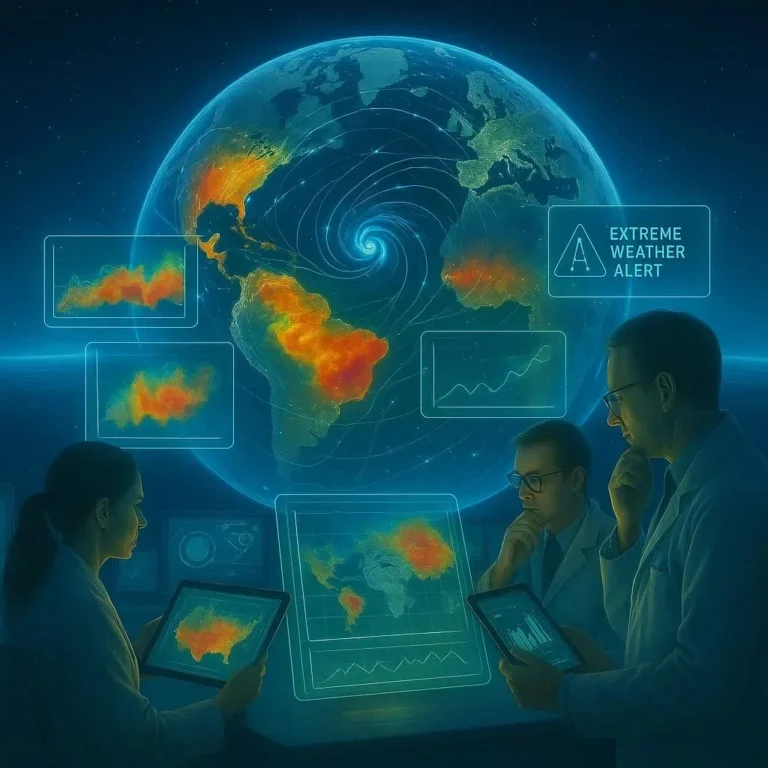
Atmospheric Plastic Microfiber Research: Environmental Implications
Airborne microfibers have quietly woven their way into the very air we breathe, yet their environmental footprint remains largely uncharted territory. Recent atmospheric plastic microfiber research has begun to untangle this invisible thread, revealing startling implications for ecosystems, human health, and the global climate system. In this post, we dive into the science, showcase key findings, and outline actionable steps—highlighting why this emerging field matters more than ever.
Understanding Atmospheric Microfibers: Sources & Transport
What Are Atmospheric Plastic Microfibers?
Microfibers are ultrafine strands—often < 5 mm long and < 100 µm thick—originating from synthetic materials like polyester, nylon, and acrylic. When these fibers are released into the air through washing, abrasion, or manufacturing, they become part of a growing airborne plastic inventory. Because of their light weight and hydrophobic nature, they can remain suspended for days, travel across oceans, and deposit in soils and waters.
How Do They Get There?
- Laundry and textile abrasion: Tens of thousands of microfibers are shed each wash cycle, some of which make their way into sewage and, ultimately, the atmosphere via evaporative or wind-driven processes.
- Industrial emissions: Wastewater treatment facilities, recycling plants, and textile mills emit microfiber-rich aerosols.
- Natural weathering: UV radiation and mechanical forces break down larger plastic debris, creating airborne microfibers that drift with wind currents.
Microplastic article (Wikipedia) provides a broader context on how these tiny fragments propagate through ecosystems.
Key Findings from Recent Atmospheric Microfiber Studies
1. Global Distribution Affects Marine, Freshwater, and Terrestrial Systems
A multi-year sampling initiative in the North Atlantic found that atmospheric microfibers accumulate preferentially in high-latitude freshwater reservoirs, contributing 25 % of the total plastic load in some lakes. Meanwhile, Arctic ice cores reveal a 38 % increase in microfiber concentration over the past decade, indicating rapid redistribution via atmospheric transport.
2. Link Between Microfiber Pollution and Air Quality
Studies demonstrate that airborne microfibers can act as secondary particulate matter. They adsorb airborne pollutants—such as polycyclic aromatic hydrocarbons (PAHs) and heavy metals—which amplifies their toxic potential when inhaled by humans and wildlife.
- A Boston University pilot study links microfiber abundance with higher levels of PM₂.₅, raising concerns for respiratory health.
- Key citation: “Airborne Microplastics and Health” (Science Advances, 2023).
3. Microfibers as Climate Tracers
Because they settle consistently in cold, dry environments, airborne microfibers serve as traceable markers for long-range atmospheric pathways, offering new tools for tracking climate-related aerosol transport.
4. Data Gaps & Methodological Advances
- Sampling Protocols: Lack of standard sampling heights and instruments hampers data comparability. Recent deployment of high‑altitude research drones now captures microfibers at 12 km altitude—unprecedented in the field.
- Spectral Analysis: Advancements in micro-Raman spectroscopy allow differentiation between polyester, nylon, and polypropylene fibers on a single airborne sample.
United States Environmental Protection Agency supports the need for standardized monitoring protocols.
Environmental Implications
Ecosystem Disruption
- Aquatic Life: Ingested microfibers cause gut blockages, reduced feeding, and altered reproductive cycles in fish, amphibians, and invertebrates.
- Terrestrial Plants: Soil infiltration of microfibers alters porosity, water retention, and nutrient cycling, potentially affecting crop yields.
Human Health Risks
- Respiratory Exposure: Tiny microfibers (< 10 µm) can penetrate the alveolar region of lungs, potentially delivering adsorbed toxins to sensitive tissues.
- Dermal Contact: Extended exposure to microfiber‑laden dust increases dermatitis risk, especially for those in industrial settings.
Climate Feedback Loops
Microfibers alter atmospheric albedo by absorbing sunlight, a subtle yet measurable effect that may influence local microclimates—especially in polar regions where deposition on snow/ice can accelerate melt.
Mitigation Strategies & Policy Recommendations
- Regulate Textile Washing
- Promote microfiber‑filtering laundry bags and built‑in filter systems in washing machines.
- Encourage textile producers to replace synthetic fibers with biodegradable alternatives.
- Implement Air‑Emission Controls
- Mandate HEPA‑grade filtration in industrial facilities that release microfiber‑rich aerosols.
- Adopt real‑time monitoring of airborne microfibers using satellite remote sensing tied with ground‑based stations.
- Public Education Campaigns
- Raise awareness about microplastic pollution through community outreach and school curricula.
- Provide guidelines on fabric maintenance to reduce microfiber shedding.
- Scientific Collaboration & Data Sharing
- Establish a global airborne microplastic database—similar to the Global Ocean Sampling initiative—to ensure data harmonization and accessibility.
- Fund interdisciplinary research linking atmospheric science, ecology, and public health to fill remaining knowledge gaps.
Looking Ahead: Emerging Research Frontiers
- Nano‑scale Microfiber Behavior: Understanding how nanofibers behave differently in the atmosphere could reshape toxicity assessments.
- Machine Learning for Fiber Classification: Automated image‑based classification algorithms promise scalable analysis of extensive airborne samples.
- Bio‑Remediation Potential: Certain microorganisms can bio‑degrade polymer microfibers; exploring airborne bioremediation could open novel environmental solutions.
Conclusion: A Call to Action
Atmospheric plastic microfiber research is still in its adolescence, but the evidence of its pervasive environmental impact calls for immediate action. By integrating robust science, targeted policies, and proactive public engagement, we can mitigate the journey of synthetic fibers from our clothes to the planet’s atmosphere.
Take the first step—opt for a microfiber filter in your washing machine or join a local cleanup that focuses on synthetic textile debris. Every action counts.
For more in-depth studies, explore the comprehensive review by the Journal of Environmental Sciences on “Atmospheric Microplastics: Sources, Transport, and Ecological Effects.”
Atmospheric Microplastics Review (ScienceDirect)

100+ Science Experiments for Kids
Activities to Learn Physics, Chemistry and Biology at Home
Buy now on Amazon
Advanced AI for Kids
Learn Artificial Intelligence, Machine Learning, Robotics, and Future Technology in a Simple Way...Explore Science with Fun Activities.
Buy Now on Amazon
Easy Math for Kids
Fun and Simple Ways to Learn Numbers, Addition, Subtraction, Multiplication and Division for Ages 6-10 years.
Buy Now on Amazon