Biomarkers for Early Diagnosis
Biomarkers are measurable indicators that reveal the presence of disease before symptoms arise, making them essential for early diagnosis. By detecting molecular changes in blood, urine, or tissues, clinicians can intervene sooner, improving treatment efficacy and patient lives. This article delves into how biomarkers are discovered, classified, and applied in modern medicine, and it highlights future trends that promise even earlier detection.
What Are Biomarkers?
A biomarker, often called a biological marker, refers to a substance such as a gene, protein, or metabolite that signals to clinicians that a specific biological process is occurring. According to a comprehensive overview on the Wikipedia page, biomarkers can indicate healthy functioning, disease presence, or therapeutic response.Biomarker definition. Their measurable nature allows standardized testing, reducing subjective interpretation. In oncology, for example, elevated levels of CA‑125 may flag early ovarian cancer, prompting image studies and biopsies before clinical signs appear.
Why Early Diagnosis Matters
Early detection is a cornerstone of effective therapy across a spectrum of conditions, from cancers to neurodegenerative diseases. Early diagnosis often leads to less invasive treatments, lower costs, and better survival rates. This is particularly true when early signs are subtle and require sensitive detection methods. The National Cancer Institute outlines the clinical benefits of prompt diagnosis, noting that detecting tumors at stage I rather than stage IV can improve survival rates dramatically.Cancer Diagnosis and Staging. For chronic diseases, biomarkers can signal dysregulation long before irreversible damage sets in.
Common Biomarker Types
Biomarkers can be subdivided into several categories based on the type of data they provide. Among the most widely utilized are:
- Genetic biomarkers – DNA mutations or polymorphisms that predispose individuals to disease.
- Molecular biomarkers – Proteins, lipids, or metabolites that change concentration during pathology.
- Cellular biomarkers – Cell counts or phenotypic changes detectable via flow cytometry.
- Imaging biomarkers – Radiographic signals that indicate structural or functional alterations.
- Physiological biomarkers – Vital signs or functional metrics that drift toward abnormality.
Research published by the National Institutes of Health emphasizes that a multidimensional biomarker panel often yields the highest predictive accuracy, especially when combining genetic and molecular indicators. A recent study highlighted in the NIH early detection repository demonstrated that a panel of eight circulating microRNAs could predict colorectal cancer with over 90% sensitivity and specificity.NIH Early Detection Research.
Challenges in Biomarker Discovery
While biomarker discovery holds great promise, several obstacles hinder rapid translation to clinical practice. First, heterogeneity across patient populations complicates validation; a biomarker that works in one demographic may not perform universally. Second, standardization of sample collection, processing, and storage is critical to avoid pre‑analytical variability, a concern highlighted by the Precision Medicine Initiative. Third, high‑throughput omics technologies generate vast data sets, but distinguishing meaningful signals from noise remains computationally demanding. Finally, regulatory approval requires rigorous demonstration of analytical validity, clinical validity, and clinical utility.
Regulatory Pathways and Ethical Considerations
In the United States, the Food and Drug Administration (FDA) governs biomarker‑based diagnostics under the Biomarker Qualification Program. This program encourages early dialogue between manufacturers and regulators to ensure that biomarkers meet stringent performance metrics.FDA Biomarker Qualification. Clinicians and researchers must also navigate privacy concerns, especially when genetic data are involved, ensuring compliance with the Health Insurance Portability and Accountability Act (HIPAA). Transparency in reporting study methods and results is essential to safeguard public trust.
Future Directions in Biomarker Science
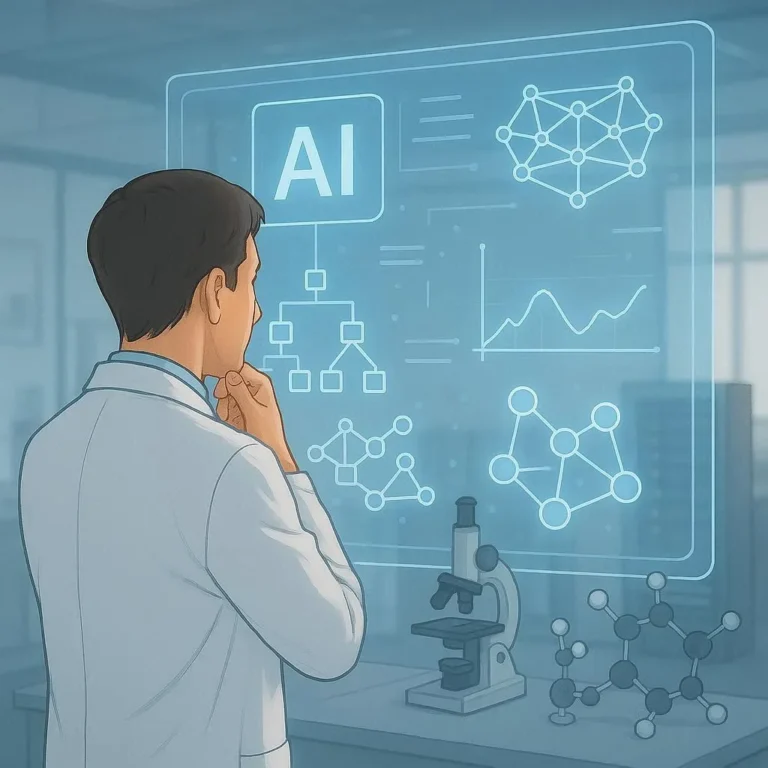
The horizon of biomarker research is expanding, driven by advances in artificial intelligence, single‑cell sequencing, and point‑of‑care devices. Machine learning algorithms can integrate multi‑omic data, achieving predictive accuracy that outpaces traditional statistical models. At the laboratory front, single‑cell proteomics promises to detect subtle alterations in cell signaling pathways that precede overt disease. Additionally, wearable tech capturing continuous physiological metrics is opening new avenues for early anomaly detection in cardiovascular and metabolic disorders.
Implementing Biomarker Testing in Clinical Settings
Successful integration requires a coordinated effort: clinicians must interpret results within the broader clinical context; laboratory personnel must maintain assay quality; and patients must receive clear communication about implications. Key steps include:
- Establishing an evidence‑based panel that aligns with clinical guidelines.
- Validating the assay in a representative patient cohort.
- Engaging multidisciplinary teams for result interpretation and management plans.
- Monitoring outcomes to refine predictive models and improve patient care.
Several health systems already employ biomarker‑guided protocols for breast cancer, employing HER2 and hormone receptor assessments to tailor therapy. Similar initiatives are emerging for Alzheimer’s disease, where plasma p-tau231 levels may signal neurodegeneration months before cognitive decline.
Conclusion: Biomarkers – Your Window to Early Insight
By harnessing the power of biomarkers, healthcare providers can intercept diseases at their nascent stages, offering interventions that are both less invasive and more effective. Continued investment in discovery, validation, and integration will translate scientific breakthroughs into everyday clinical benefits. If you’re a clinician, researcher, or patient eager to embrace cutting‑edge early diagnosis, explore the growing array of biomarker tools today and help build a healthier tomorrow. Contact our diagnostics team to learn how these biomarkers can transform your practice.
Frequently Asked Questions
Q1. What qualifies a substance as a biomarker?
A biomarker must be measurable, reproducible, and provide information about a biological state or response. It should correlate with disease presence, progression, or therapeutic response, and undergo rigorous validation before clinical use.
Q2. How early can biomarkers detect disease before symptoms?
Detection timing varies by condition, but many biomarkers can signal pathological changes weeks to years before clinical symptoms emerge. For example, blood-based microRNA panels can forecast colorectal cancer up to two years prior to diagnosis.
Q3. Are biomarker tests covered by insurance?
Coverage depends on the specific test and its clinical validity. Diagnostic panels approved by the FDA and incorporated into standard guidelines are increasingly covered, but patients should verify with their insurer for individual test policies.
Q4. What ethical issues surround genetic biomarker testing?
Genetic testing raises privacy, discrimination, and informed consent concerns. Regulations like HIPAA and the Genetic Information Nondiscrimination Act aim to protect individuals, but clinicians must discuss potential implications before testing.
Q5. How can I integrate biomarker testing into my clinical practice?
Start by identifying validated panels relevant to your specialty, partnering with a reputable laboratory, and establishing clear protocols for result interpretation and patient counseling. Continuous education and collaboration with multidisciplinary teams are key.
Related Articles

100+ Science Experiments for Kids
Activities to Learn Physics, Chemistry and Biology at Home
Buy now on Amazon
Advanced AI for Kids
Learn Artificial Intelligence, Machine Learning, Robotics, and Future Technology in a Simple Way...Explore Science with Fun Activities.
Buy Now on Amazon
Easy Math for Kids
Fun and Simple Ways to Learn Numbers, Addition, Subtraction, Multiplication and Division for Ages 6-10 years.
Buy Now on Amazon