AI Designs Custom Lab Schedules
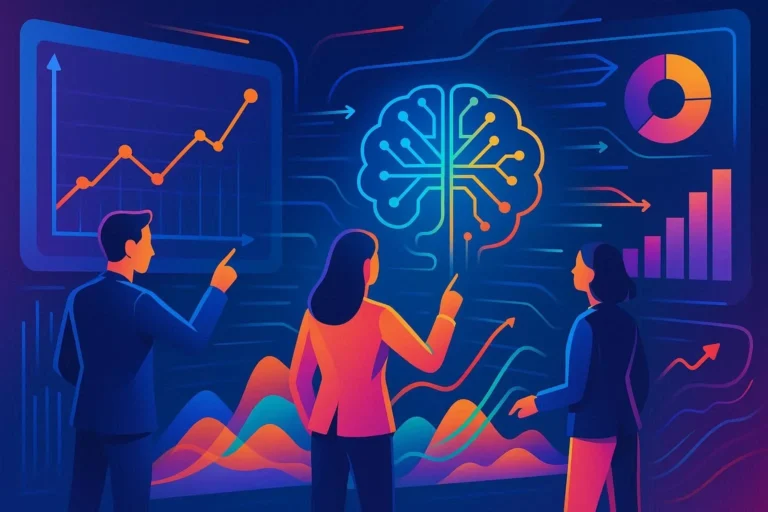
AI Designs Custom Lab Schedules is transforming how research teams allocate time, resources, and personnel across complex experiments. By leveraging machine learning algorithms that analyze historical data, real‑time instrument status, and personnel expertise, laboratories can generate dynamic schedules that maximize throughput while minimizing downtime. This approach not only boosts scientific productivity but also aligns with rigorous compliance standards, ensuring that every experiment follows the correct sequence and safety protocols. As the pace of discovery accelerates, adopting AI‑driven scheduling becomes a strategic advantage for any modern research facility.
How AI Optimizes Lab Workflow
Traditional lab scheduling often relies on manual spreadsheets or static calendars, which can quickly become outdated as experiments evolve. AI systems ingest data from multiple sources—instrument logs, reagent inventories, and personnel calendars—to create a holistic view of the lab’s operational landscape. Using optimization techniques such as constraint programming and reinforcement learning, the AI identifies the most efficient allocation of time slots, predicts potential bottlenecks, and suggests alternative pathways when a critical resource becomes unavailable. This real‑time adaptability is essential for high‑throughput environments like genomics or proteomics facilities, where a single instrument’s downtime can cascade into weeks of lost data.
Benefits for Research Teams and Institutions
Adopting AI‑driven lab schedules yields tangible benefits across multiple dimensions:
- Increased Throughput: By reducing idle time and aligning experiment sequences, labs can process more samples per week.
- Enhanced Compliance: Automated reminders and audit trails help maintain adherence to Good Laboratory Practice (GLP) and Institutional Review Board (IRB) requirements.
- Resource Conservation: Optimized reagent usage and instrument maintenance schedules lower operational costs.
- Improved Collaboration: Shared, AI‑generated calendars enable cross‑disciplinary teams to coordinate experiments without manual back‑and‑forth.
- Data‑Driven Decision Making: Analytics dashboards provide insights into bottlenecks, allowing leadership to invest strategically in equipment upgrades.
Integrating AI with Existing Lab Information Systems
Seamless integration is key to realizing the full potential of AI scheduling. Most modern Laboratory Information Management Systems (LIMS) expose APIs that allow AI platforms to read and write experiment metadata, instrument status, and personnel availability. By embedding AI modules within the LIMS, researchers can view AI‑generated schedules alongside traditional lab data, ensuring transparency and fostering trust. Additionally, many AI vendors offer plug‑in solutions that support popular LIMS such as Thermo Fisher’s SampleManager or LabWare, reducing the need for costly custom development.
Case Study: A Genomics Core Facility
One leading genomics core facility implemented an AI scheduling system that analyzed 12 months of sequencing throughput data. The algorithm identified that a single Illumina NovaSeq instrument was underutilized by 30% due to manual shift planning. After integrating the AI scheduler, the facility increased instrument utilization to 85%, cutting sample turnaround time from 10 days to 6 days. Moreover, the AI’s predictive maintenance alerts reduced unexpected downtime by 40%, saving the institution an estimated $200,000 annually in maintenance costs.
Addressing Common Concerns and Misconceptions
Despite its advantages, some researchers worry that AI might replace human judgment or compromise data integrity. In reality, AI serves as an augmentative tool, providing recommendations that scientists can accept, modify, or reject. Transparency is built into the system: every AI suggestion is accompanied by a confidence score and a rationale based on historical outcomes. Furthermore, AI scheduling respects ethical guidelines and regulatory frameworks, ensuring that no experiment is scheduled in violation of safety protocols or data privacy regulations.
Future Directions: AI, Lab Automation, and Beyond
The convergence of AI scheduling with robotic liquid handlers, automated imaging platforms, and cloud‑based data analytics heralds a new era of fully autonomous laboratories. By synchronizing instrument control with AI‑generated schedules, labs can execute complex multi‑step protocols without human intervention, reducing error rates and freeing researchers to focus on hypothesis generation. Emerging technologies such as federated learning also enable institutions to share scheduling insights without compromising proprietary data, fostering a collaborative ecosystem of continuous improvement.
Getting Started: Steps to Implement AI Lab Scheduling
1. Assess Current Workflow: Map out existing schedules, identify pain points, and quantify downtime.
2. Select an AI Platform: Choose a vendor that offers integration with your LIMS and supports your instrument ecosystem.
3. Pilot Program: Run a small‑scale pilot on a single instrument or project to validate performance.
4. Scale Gradually: Expand to additional instruments and teams, continuously monitoring key performance indicators.
5. Train Staff: Provide workshops on interpreting AI recommendations and maintaining the system.
Conclusion: Embrace AI for Smarter Lab Management
AI Designs Custom Lab Schedules is more than a convenience—it is a strategic investment that aligns with the evolving demands of modern research. By harnessing machine learning to orchestrate experiments, laboratories can achieve higher throughput, better compliance, and significant cost savings. The future of scientific discovery depends on efficient, data‑driven operations, and AI scheduling is a cornerstone of that future. Ready to transform your lab’s workflow? Contact us today to schedule a free consultation and discover how AI can unlock your research potential.
For more insights on AI in research, visit Artificial Intelligence on Wikipedia, read the NIH’s guide on clinical research trials, and explore the CDC’s biologics safety guidelines. These resources provide foundational knowledge that complements AI scheduling strategies.
Frequently Asked Questions
Q1. What is AI Designs Custom Lab Schedules?
AI Designs Custom Lab Schedules is a machine‑learning platform that creates dynamic, data‑driven schedules for laboratory experiments. It analyzes historical data, real‑time instrument status, and personnel expertise to allocate time slots efficiently. The system continuously updates the schedule as new information arrives, ensuring that labs operate at maximum capacity. Researchers can review, accept, or modify the AI’s recommendations, maintaining full control over experimental design. This approach reduces manual planning errors and speeds up the overall workflow.
Q2. How does AI optimize lab workflow?
AI optimizes workflow by ingesting data from instrument logs, reagent inventories, and staff calendars. Using constraint programming and reinforcement learning, it identifies the most efficient allocation of resources and predicts potential bottlenecks. The platform can suggest alternative pathways when a critical resource becomes unavailable, preventing costly downtime. Real‑time adaptability is especially valuable in high‑throughput environments where a single instrument’s outage can delay weeks of data collection. The result is a smoother, more predictable experimental pipeline.
Q3. What benefits can labs expect from AI scheduling?
Labs can expect increased throughput, as idle time is minimized and experiment sequences are aligned. Compliance is improved through automated reminders and audit trails that support GLP and IRB requirements. Resource conservation is achieved by optimizing reagent usage and maintenance schedules, lowering operational costs. Collaboration is enhanced by shared AI‑generated calendars that reduce manual coordination. Finally, analytics dashboards provide data‑driven insights, enabling strategic investment in equipment upgrades.
Q4. How do I integrate AI with my existing LIMS?
Most modern LIMS expose APIs that allow AI platforms to read and write experiment metadata, instrument status, and personnel availability. By embedding AI modules within the LIMS, researchers can view AI‑generated schedules alongside traditional lab data. Many AI vendors offer plug‑in solutions compatible with popular LIMS such as Thermo Fisher’s SampleManager or LabWare, reducing custom development costs. Integration typically involves mapping data fields, configuring API endpoints, and testing data flow in a pilot environment. Once validated, the AI scheduler can be rolled out across additional instruments and teams.
Q5. Are there risks or misconceptions about AI scheduling?
Some researchers worry that AI might replace human judgment or compromise data integrity. In reality, AI serves as an augmentative tool, providing recommendations that scientists can accept, modify, or reject. Transparency is built into the system: every suggestion includes a confidence score and a rationale based on historical outcomes. AI scheduling also respects ethical guidelines and regulatory frameworks, ensuring that no experiment violates safety protocols or data privacy regulations. With proper governance, the risks are minimal and the benefits substantial.
Related Articles

100+ Science Experiments for Kids
Activities to Learn Physics, Chemistry and Biology at Home
Buy now on Amazon
Advanced AI for Kids
Learn Artificial Intelligence, Machine Learning, Robotics, and Future Technology in a Simple Way...Explore Science with Fun Activities.
Buy Now on Amazon
Easy Math for Kids
Fun and Simple Ways to Learn Numbers, Addition, Subtraction, Multiplication and Division for Ages 6-10 years.
Buy Now on Amazon