AI Optimizes Synthetic DNA Design
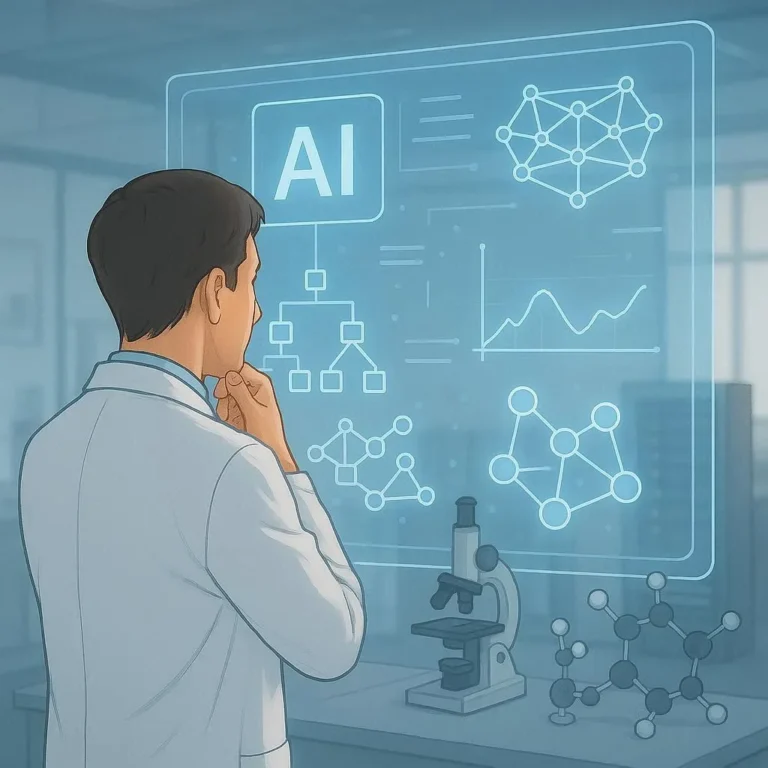
Artificial intelligence has begun to reshape how scientists approach the creation of synthetic DNA, a cornerstone of modern pharmaceutical research. By leveraging machine learning algorithms and massive genomic datasets, AI can predict optimal gene sequences, reduce synthesis errors, and accelerate drug discovery timelines. In the first two hundred words, we’ll explore how AI-driven synthetic DNA design is already generating unprecedented efficiencies, paving the way for novel therapeutics that can be tailored to patient-specific needs.
AI-Powered Enhancements in Synthetic DNA Design
At its core, synthetic DNA design is about constructing nucleotide sequences that encode desirable biological functionalities—whether that’s an antibody, an enzyme, or a regulatory element. Traditional design pipelines relied heavily on rule‑based heuristics and trial‑and‑error, which can be time‑consuming and costly. AI transforms this process by applying data‑driven models that learn from thousands of successful sequences and decode the underlying patterns that make them functional.
For example, deep learning models trained on synthetic gene libraries can accurately predict codon usage bias for a given host organism, substantially enhancing protein expression levels. Moreover, reinforcement learning frameworks enable the iterative design of DNA strands that satisfy multiple constraints—such as minimizing immunogenic motifs while maximizing binding affinity—without manual intervention. These capabilities are already producing more reliable probes for RNA interference and CRISPR‑based gene editing, two areas that heavily rely on high‑quality synthetic DNA templates.
Machine Learning Models in Gene Synthesis
Machine learning techniques—including random forests, gradient‑boosted trees, and transformer‑based architectures—have been successfully deployed in gene synthesis. One of the most widely used methods is the generative adversarial network (GAN), which can generate novel DNA sequences that mimic the statistical properties of functional genes. By conditioning GANs on desired traits (e.g., low CpG content or high thermostability), researchers can rapidly generate candidate libraries that meet strict pharmaceutical criteria.
Another emerging approach is the use of neural architecture search (NAS). NAS autonomously designs the architecture of the neural network best suited for a specific synthetic DNA task, reducing human bias and improving model performance. This synergy of AI and synthetic biology has been cited in studies published by the National Academy of Sciences, illustrating how computational innovations can directly accelerate drug development timelines.
Key Benefits of AI in Synthetic DNA Design
- Precision Engineering: AI reduces off‑target effects by predicting adverse sequence motifs before synthesis.
- Speed: Automated design cycles can produce viable gene constructs in hours rather than weeks.
- Cost Efficiency: By optimizing codon usage and minimizing synthetic errors, laboratories can cut material and labor expenses.
- Personalized Medicine: Patient‑specific profiles can guide the design of therapeutics tailored to individual genetic landscapes.
Accelerating Drug Discovery Pathways
The pharmaceutical industry’s primary bottleneck often lies in early‑stage compound screening and lead optimization. AI‑generated synthetic DNA allows for rapid prototyping of biologics—such as monoclonal antibodies and fusion proteins—streamlining early-phase trials. For instance, algorithmically designed antibody fragments can be synthesized in a matter of days, tested for binding affinity, and iterated upon over the course of less than a month. This contrasts starkly with the traditional multi‑month synthesis and validation cycles.
Beyond biologics, AI can design synthetic DNA probes used in high‑throughput sequencing and diagnostic assays. The improved accuracy of AI‑generated probes leads to higher assay sensitivity, facilitating early detection of disease biomarkers. Depending on the therapeutic area, this translates to earlier clinical intervention and better patient outcomes.
Ethical and Regulatory Considerations
As with any transformative technology, the rise of AI in synthetic DNA design brings a host of ethical questions. Data privacy is paramount when generating patient‑specific therapeutics; researchers must ensure that genetic information used for model training is anonymized and securely stored. Additionally, AI models can inadvertently learn biases present in existing datasets, potentially leading to uneven therapeutic development across demographic groups.
Regulatory bodies—including the Food and Drug Administration (FDA) and the European Medicines Agency (EMA)—are actively updating guidelines to accommodate AI‑enabled biologics. Current standards emphasize transparency of the algorithmic design process and require rigorous validation of both the synthetic DNA construct and the AI model that produced it. Scientists and developers must collaborate closely with regulatory experts to design AI frameworks that are auditable and reproducible.
Another concern is the environmental impact of large‑scale DNA synthesis and computational training. High‑performance computing centers consume significant energy, and the synthesis of long DNA strands can produce chemical waste. Sustainable practices—such as utilizing cloud computing resources powered by renewable energy and optimizing synthesis protocols for minimal reagent use—can mitigate these effects.
Future Outlook: Integrating AI with Synthetic Biology
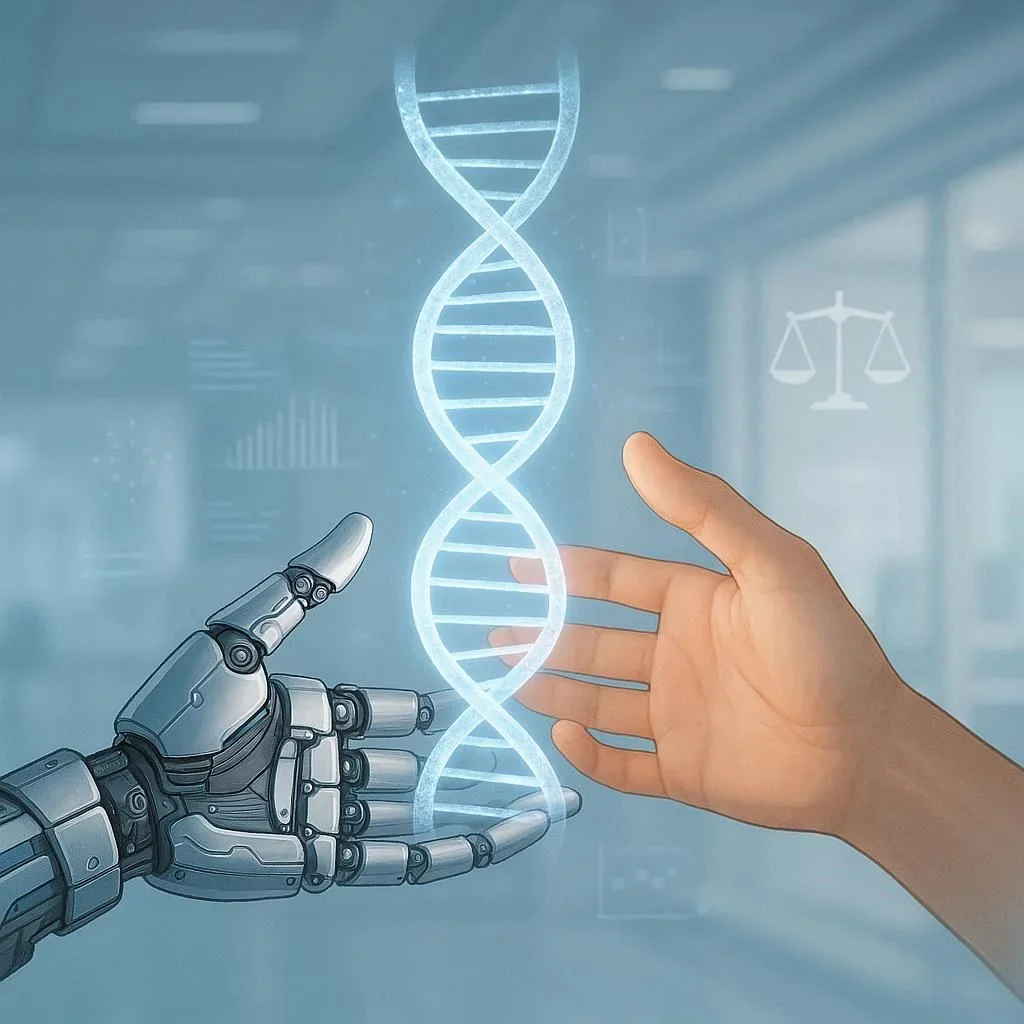
The convergence of AI and synthetic biology heralds a new era of precision medicine. Future research aims to create end‑to‑end workflows where AI not only designs DNA but also predicts its phenotypic outcomes, integrates metabolic models, and simulates in vivo behaviors before physical synthesis. Such integrative platforms could reduce the iterative cycle of wet‑lab experimentation to a virtual needle‑point test, effectively front‑loading the discovery pipeline.
Large‑scale collaborative initiatives—like the BRAIN Initiative Adjusted for Applied Biosciences (BIB) and consortia funded by the National Institutes of Health (NIH) and the National Science Foundation (NSF)—are investing in open‑source datasets and AI tools that researchers worldwide can use to accelerate drug discovery. By fostering a community‑driven approach, the field reduces redundancies, accelerates validation, and democratizes access to advanced methodologies.
To keep abreast of the latest breakthroughs in AI‑enhanced synthetic DNA research, scientists should engage with current literature, such as review articles in synthetic biology journals, or explore datasets hosted by NIH and the National Center for Biotechnology Information.
Frequently Asked Questions
Q1. What is synthetic DNA and why is it important?
Synthetic DNA consists of artificially created nucleotide sequences that encode functional biological molecules. Researchers use it to engineer proteins, antibodies, and regulatory elements for therapeutic purposes. It enables rapid prototyping and testing of novel biomolecules. In drug discovery, synthetic DNA accelerates lead optimization and personalized medicine development.
Q2. How does AI improve synthetic DNA design?
AI models learn from massive genomic datasets to predict optimal codon usage, reduce immunogenic motifs, and enhance expression levels. Machine learning algorithms automate the iterative design cycle, generating sequences that meet multiple constraints. This reduces the need for trial‑and‑error and shortens synthesis timelines. The result is higher precision and lower error rates in manufactured DNA.
Q3. Which machine learning models are commonly used for gene synthesis?
Random forests, gradient‑boosted trees, transformer-based models, and generative adversarial networks are widely employed. GANs can generate novel sequences that mimic functional gene statistics. Neural architecture search autonomously discovers the best network design for a specific synthetic biology task. These tools collectively improve accuracy and throughput in gene design.
Q4. What benefits does AI bring to drug discovery?
AI accelerates the production of biologics like monoclonal antibodies and fusion proteins, enabling rapid prototyping. It reduces off‑target effects by removing adverse motifs before synthesis. Cost savings arise from optimized codon usage and fewer synthesis errors. Overall, AI shortens early‑stage screening and leads to faster clinical translation.
Q5. What ethical or regulatory considerations should researchers keep in mind?
Researchers must anonymize patient data and guard against algorithmic bias. FDA and EMA guidelines require transparent validation of both the synthetic construct and its AI design process. Environmental impacts, such as computational energy use, should be minimized. Finally, collaboration with regulatory experts ensures auditable and reproducible workflows.
Related Articles
- Learning to create de novo synthetic DNA sequences for therapeutic applications
- AI-driven design of synthetic genes for high expression in mammalian cells
- Deep learning for DNA sequence optimization: Applications and challenges
- Generative adversarial networks for synthetic biology
- Neural architecture search accelerates genome engineering

100+ Science Experiments for Kids
Activities to Learn Physics, Chemistry and Biology at Home
Buy now on Amazon
Advanced AI for Kids
Learn Artificial Intelligence, Machine Learning, Robotics, and Future Technology in a Simple Way...Explore Science with Fun Activities.
Buy Now on Amazon
Easy Math for Kids
Fun and Simple Ways to Learn Numbers, Addition, Subtraction, Multiplication and Division for Ages 6-10 years.
Buy Now on Amazon