
Sustainable Manufacturing Through Predictive Design
The Role of Predictive Design in Sustainable Manufacturing
In an era where environmental sustainability is a top priority, industries are increasingly adopting innovative strategies to minimize their ecological footprint. Sustainable manufacturing has emerged as a cornerstone of this movement, focusing on producing goods with minimal environmental impact. At the heart of this revolution lies predictive design, a powerful approach that not only enhances efficiency but also aligns with sustainable practices.
What is Predictive Design?
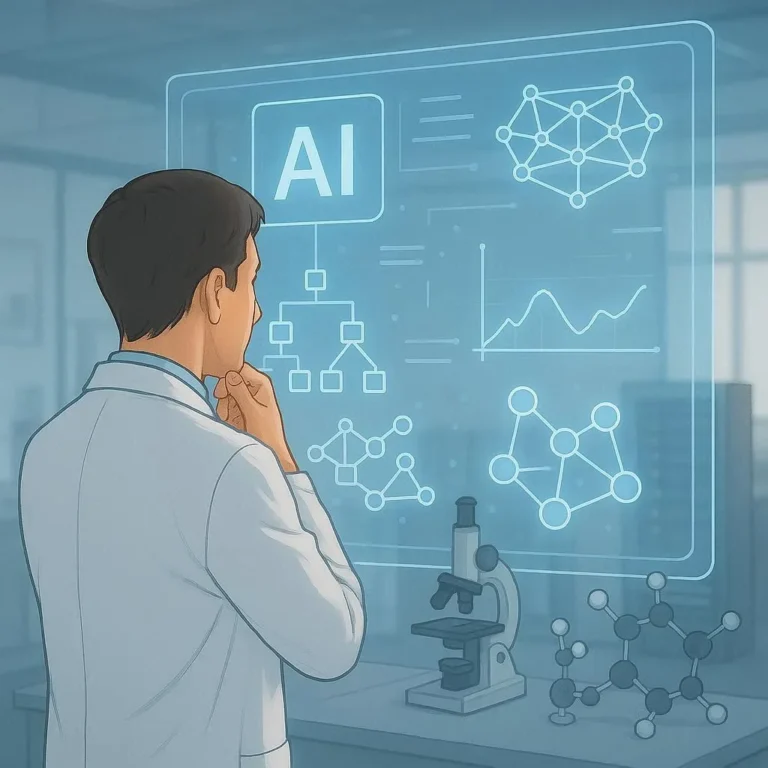
Predictive design is a forward-thinking approach that utilizes advanced technologies to anticipate and optimize product performance before physical prototypes are created. By leveraging tools like computational simulations, artificial intelligence (AI), and machine learning, designers can predict how products will behave under various conditions. This allows for iterative improvements without the need for extensive physical testing, reducing both time and resources.
Key Technologies Driving Predictive Design
- Computer-Aided Design (CAD): Enables precise digital modeling of products, allowing for virtual prototyping and testing.
- Computer-Aided Engineering (CAE): Facilitates simulations to test product durability, thermal performance, and other critical factors.
- Artificial Intelligence (AI) and Machine Learning: Analyze historical data to predict material failures and optimize product lifecycles.
These tools collectively empower manufacturers to create smarter, more sustainable products.
The Intersection of Sustainable Manufacturing and Predictive Design
The integration of predictive design into sustainable manufacturing is transformative. By minimizing the need for physical prototypes and optimizing production processes, manufacturers can significantly reduce waste and energy consumption. For instance, simulation tools can identify the most energy-efficient materials and processes, thereby lowering the overall environmental impact.
Predictive design also supports circular economy principles by extending product lifecycles. Through Durant models and repair simulations, companies can design longer-lasting products, reducing electronic waste and the demand for new materials.
Benefits of Predictive Design in Sustainable Manufacturing
- Reduced Material Waste: Simulations help identify the optimal use of materials, minimizing excess.
- Lower Energy Consumption: Predictive tools optimize production processes, cutting energy use.
- Improved Product Lifecycles: Longer-lasting products reduce the need for frequent replacements.
- Enhanced Recycling Opportunities: Designing with recyclability in mind supports end-of-life product reuse.
Challenges in Implementing Predictive Design
While predictive design offers numerous advantages, its adoption is not without challenges.
- High Initial Investment: Implementing advanced design tools requires significant upfront costs.
- Technical Expertise: Utilizing these technologies demands specialized knowledge and training.
- Data Availability: High-quality data is essential for accurate predictions, which can be a barrier for some manufacturers.
Despite these hurdles, the long-term benefits often justify the investment. Companies are encouraged to start with small-scale projects to gradually build expertise and confidence in predictive design techniques.
Future Trends and Opportunities
Looking ahead, the integration of AI and IoT (Internet of Things) into predictive design is expected to unlock new potentials. AI’s ability to analyze vast datasets and learn from outcomes will enhance prediction accuracy. IoT devices can provide real-time operational data, enabling manufacturers to refine their designs continuously.
Furthermore, advancements in material science will offer more sustainable alternatives, which can be seamlessly integrated into predictive design models. This synergy will drive innovation, making sustainable manufacturing more accessible and effective.
Conclusion and Call-to-Action
Predictive design stands as a pivotal enabler of sustainable manufacturing, offering a pathway to greener, more efficient production processes. By embracing these technologies, manufacturers can lead the charge towards a more sustainable future.
We encourage you to explore how predictive design can transform your manufacturing practices. Whether through adopting advanced simulation tools or investing in AI-driven solutions, every step towards sustainability counts.
Join the movement today and contribute to a healthier planet for future generations.
Learn more about sustainable manufacturing and how it’s reshaping industries. For deeper insights into predictive design, visit predictive modeling resources.
Together, we can create a sustainable tomorrow by designing smarter today.

100+ Science Experiments for Kids
Activities to Learn Physics, Chemistry and Biology at Home
Buy now on Amazon
Advanced AI for Kids
Learn Artificial Intelligence, Machine Learning, Robotics, and Future Technology in a Simple Way...Explore Science with Fun Activities.
Buy Now on Amazon
Easy Math for Kids
Fun and Simple Ways to Learn Numbers, Addition, Subtraction, Multiplication and Division for Ages 6-10 years.
Buy Now on Amazon