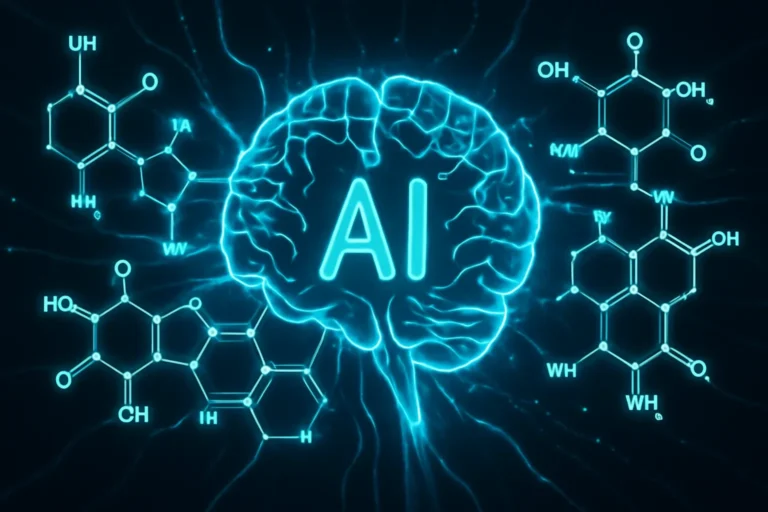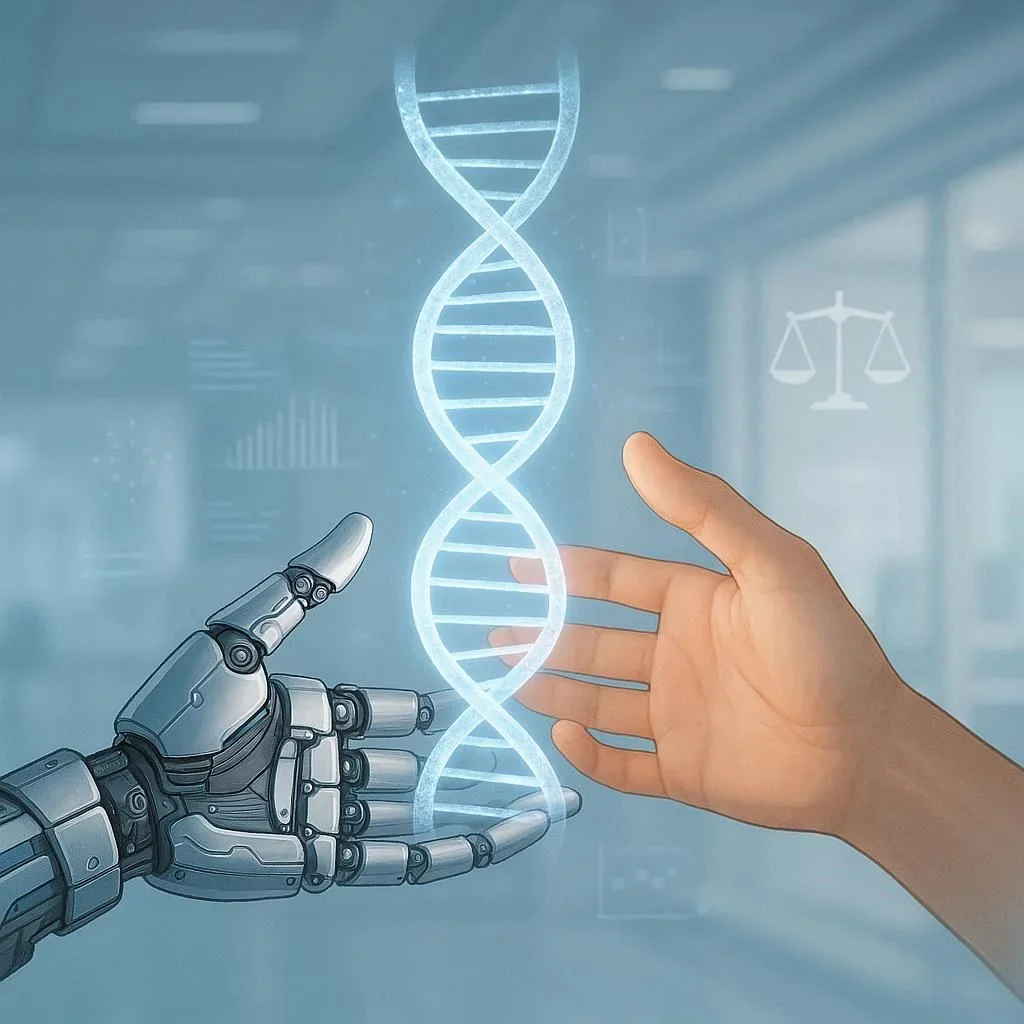
Genetic Experiment Planning with AI Assistance
Introduction to AI‑Powered Genetic Experiment Planning
Genetic research is evolving at a breakneck pace. Laboratories worldwide are leveraging genome‑editing tools like CRISPR, high‑throughput sequencing, and sophisticated bioinformatics pipelines to answer complex biological questions. However, designing robust experiments—choosing targets, optimizing constructs, predicting off‑target effects, and ensuring reproducibility—remains a considerable challenge. Enter artificial intelligence (AI). By integrating machine learning, natural language processing, and automated workflows, AI can dramatically reduce human error, accelerate experiment design, and unlock new levels of insight.
In this guide, we dissect how AI assists each phase of genetic experiment planning:
- Defining objectives and hypotheses
- Selecting genes and CRISPR guides
- Modeling expected outcomes and off‑target risks
- Automating laboratory workflows
- Analyzing results and iterating
We’ll also explore ethical considerations, regulatory compliance, and future trends that will shape the next generation of in‑silico genetic research.
1. Clarifying Goals with AI‑Enhanced Literature Mining
Before you even touch a cell line, a clear research objective is paramount. AI can sift through thousands of scientific papers, patents, and pre‑prints within seconds, extracting relevant methods, results, and gaps.
- Semantic Search Engines: Tools like Semantic Scholar and Google Scholar’s new AI‑augmented search can rank papers by relevance to your specific phenotype.
- Text Mining Bots: Libraries such as spaCy, NLTK, or commercial platforms can auto‑extract gene‑phenotype associations, experimental designs, and statistical outcomes.
- Knowledge Graphs: Resources like Biological Global Knowledge Graph (BGKG) link genes to pathways, diseases, and therapeutic interventions, guiding hypothesis generation.
External Reference: Semantic Scholar – AI‑powered academic search.
By using AI‑driven literature mining, researchers can prioritize high‑impact targets, reduce redundant experiments, and align study design with cutting‑edge standards.
2. CRISPR Guide Selection: The Core of Genetic Manipulation
CRISPR‑Cas9 and its variants (dCas9, CRISPRi, CRISPRa, base editors, prime editors) revolutionized genome editing. Yet, selecting the most suitable guide RNAs (gRNAs) and anticipating off‑target cuts are critical hurdles.
2.1 DNA Sequence Prediction Algorithms
Machine‑learning models trained on empirical data predict cutting efficiency and specificity.
- CrisprCas9Bench: Uses convolutional neural networks (CNNs) to score gRNAs for on‑target activity.
- DeepSpCas9: Offers substrate‑specific scoring for both SpCas9 and AsCas12a.
- GuideScan: Converts genomic library into a searchable database of potential gRNAs with off‑target risk scores.
2.2 Structural Modeling
AI‑based protein folding models like AlphaFold provide accurate structures of Cas proteins and predict nucleic acid binding affinities. These models help in designing custom Cas variants for non‑canonical PAM sequences.
External Reference: Wikipedia – Cas9
2.3 Off‑Target Assessment
- CRISPOR: Integrates mismatched alignment scoring and off‑target likelihood.
- TargetScan: Applies machine‑learning to identify genomic loci with sequence homology.
- Benchmark Data: Use datasets from CHOPCHOP and Benchling for training custom models tailored to your organism.
Combining these AI tools ensures that the chosen gRNAs have optimal on‑target efficacy while minimizing unintended edits.
3. Modeling Experimental Outcomes with Predictive Analytics
Once targets are set, AI can simulate expected phenotypic results, guiding experimental design and resource allocation.
3.1 Gene Regulatory Network Simulation
- CellNet: Reconstructs lineage‑specific regulatory networks using machine‑learning integration of gene expression data.
- Inferelator: A Bayesian algorithm that infers transcription factor‑gene interactions from time‑series data.
3.2 Multi‑Omic Integration
Combine genomic, transcriptomic, proteomic, and metabolomic data using AI platforms like iClusterPlus or MOFA to predict phenotypic outcomes.
3.3 High‑Throughput Phenotyping Simulation
Use AI‑based image analysis (e.g., CellProfiler, DeepCell) to predict cell morphology changes, proliferation rates, or differentiation patterns after editing.
External Reference: National Institute of Genetics (Japan) – leading research in multi‑omic integration.
By predicting outcomes, scientists can design more efficient experiments with fewer animal models and reduced cost.
4. Automating Laboratory Workflows
A key advantage of AI is its capacity to orchestrate complex lab procedures with minimal human intervention. Robotics, laboratory information management systems (LIMS), and smart scheduling converge under AI supervision.
4.1 Automated Cell Culture and Transfection
- Opentrons OT‑2: An open‑source liquid handling robot controlled by Python scripts and AI‑optimized pipetting strategies.
- Synthego’s CRISPRa Kit: Integrates with AI‑driven workflow to automate guide RNA synthesis, cloning, and validation.
4.2 Real‑Time Data Acquisition
- Digital PCR: AI calibrates droplet generation to improve quantification accuracy.
- Automated Imaging: AI schedules imaging time‑points, reducing operator errors.
4.3 LIMS Integration
AI systems like Benchling or LabWare use natural language processing (NLP) to annotate protocols, automatically generate SOPs, and predict reagent consumption.
By streamlining these processes, labs achieve higher reproducibility and faster turnaround.
5. Data Analysis: From Raw Reads to Insight
Sequencing and screening generate massive datasets. AI shortens the path from raw data to actionable biology.
5.1 Quality Control and Alignment
- FastQC + MultiQC for automated QC summarization.
- BWA‑Mem or STAR for alignment; AI can suggest optimal parameters based on library type.
5.2 Variant Calling and Annotation
- GATK HaplotypeCaller integrates with AI models that refine indel realignment.
- ANNOVAR or SnpEff for functional effects; AI can prioritize variants based on predicted pathogenicity.
5.3 Differential Expression and Clustering
- DESeq2 or EdgeR metrics are fed into AI clustering algorithms (k‑means, hierarchical clustering) to identify phenotypic clusters.
- Seurat combined with AI‑powered batch correction (Harmony) for single‑cell datasets.
5.4 Predictive Modeling of Phenotypes
- Train gradient‑boosted trees (XGBoost) or neural networks to predict phenotypic outcomes from genotype data.
- Validate predictions using cross‑validation; iterate design accordingly.
External Reference: Ensembl – Comprehensive genomic annotation database.
6. Ethical, Regulatory, and Governance Considerations
AI adds an extra layer of complexity to genetic research ethics. Scientists must remain vigilant about data privacy, dual‑use research, and responsible AI deployment.
- Data Governance: Implement GDPR–compliant data handling procedures; AI can auto‑mask sensitive fields.
- Responsible AI: Use interpretability frameworks to ensure models make transparent decisions (SHAP, LIME).
- Dual‑Use: Collaborate with institutional biosafety committees; AI can flag high‑risk designs in real time.
- Regulatory Compliance: Follow guidelines from the National Institutes of Health (NIH) and the World Health Organization (WHO) for gene editing research.
External Reference: WHO – Global guidelines on gene editing.
7. Practical Tips for Integrating AI Into Your Workflow
| Step | AI Tool | Practical Tip |
|——|———-|—————|
| 1 | Literature mining (Semantic Scholar) | Set up daily alerts for new CRISPR papers. |
| 2 | Guide selection (DeepSpCas9) | Use batch mode to score 10,000+ gRNAs quickly. |
| 3 | Lab automation (Opentrons OT‑2) | Calibrate pipettes daily with AI‑generated error reports. |
| 4 | Data analysis (Seurat + Harmony) | Use Harmony to correct batch effects before clustering. |
| 5 | Ethics review | Deploy an interpretability dashboard during manuscript preparation. |
8. Future Horizons: What’s Next for AI in Genetic Experimentation?
- Quantum‑Inspired Algorithms: New architectures may predict protein–DNA interactions with unprecedented accuracy.
- Edge‑Computing in Labs: On‑device AI will reduce data transfer latency, enabling real‑time decision making even in remote settings.
- Generative Design: AI models could propose entirely novel gene circuits or synthetic pathways, moving from “editing” to “designing” biology.
- Open‑Source Collaborative Platforms: Initiatives like the Human Cell Atlas leverage community‑driven AI to map cellular phenotypes.
The convergence of AI, automation, and synthetic biology promises to accelerate discoveries while demanding tighter oversight.
Conclusion & Call‑to‑Action
AI transforms genetic experiment planning from a laborious, error‑prone endeavor into a data‑driven, highly reproducible science. By harnessing AI for literature mining, guide design, predictive modeling, lab automation, and ethical oversight, researchers can cut timelines, lower costs, and push the boundaries of biology safely.
Ready to elevate your genetic research? Start by choosing one AI tool—perhaps a guide‑selection platform—and integrate it into your next project. Track the impact on your workflow, and share your insights with the community.
Take the first step: explore AI‑driven CRISPR design today, and let your next breakthrough begin.
Resources

100+ Science Experiments for Kids
Activities to Learn Physics, Chemistry and Biology at Home
Buy now on Amazon
Advanced AI for Kids
Learn Artificial Intelligence, Machine Learning, Robotics, and Future Technology in a Simple Way...Explore Science with Fun Activities.
Buy Now on Amazon
Easy Math for Kids
Fun and Simple Ways to Learn Numbers, Addition, Subtraction, Multiplication and Division for Ages 6-10 years.
Buy Now on Amazon