New Frontiers in Brain-Machine Interfaces
Brain‑machine interfaces (BMIs)—sometimes called brain‑computer interfaces (BCIs)—have moved from sci‑fi speculation to tangible tools that can restore mobility, amplify cognition, and even open new artistic possibilities. The field is not only expanding in hardware and software sophistication but also exploring new frontiers such as fully wireless, brain‑to‑brain communication, AI‑augmented decoding, and ethical frameworks for future societal integration.
How Is BCI Technology Evolving?
| Evolutionary Stage | Core Development | Impacted Field |
| Invasive implants | High‑density electrode arrays (e.g., Utah array) | Neurological disorders, prosthetic control |
| Semi‑invasive | Flexible polymer arrays, optical stimulation | Chronic pain, vision restoration |
| Non‑invasive EEG/MEG | High‑resolution dry‑wear sensors | Cognitive research, consumer tech |
| Wireless & implantable | Rechargeable, biocompatible chips | Long‑term viability, usability |
| AI‑assisted decoding | Deep‑learning models for neural signal processing | Real‑time intention mapping |
| Brain‑to‑brain | Bidirectional communication protocols | Direct neural networking |
The transition from bulky, wired setups to fully wireless implantable chips—like the Neuralink‑style devices using flexible graphene layers—significantly reduces infection risk and improves patient mobility. A 2023 study by MIT’s Brain‑Machine Interface Group demonstrated a reversible 2‑decade‑long recording stability from thinned‑skin implants, a key milestone toward everyday clinical use MIT News.
Core Components of Modern BMIs
1. Signal Acquisition
- Invasive electrodes: Platinum or iridium oxide contacts embedded in gray matter.
- Flexible polymer arrays: Reduce cortical damage while increasing surface contact.
- Non‑invasive EEG: 64‑channel arrays can decode motor imagery with up to 70 % accuracy.
2. Signal Processing & Decoding
- Real‑time digital filtering to remove artifacts.
- Spectral analysis (theta, alpha, gamma bands) to tease out task‑specific patterns.
- Machine learning models (CNN, RNN) trained on large datasets; transfer learning allows rapid adaptation to new users.
3. Output & Actuation
- Neuroprosthetics: Artificial limbs controlled directly by the user’s intent.
- Cortical stimulators: Stimulate damaged pathways to recover functions such as speech or vision.
- Brain‑to‑brain modules: Send decoded spikes to a peer interface to create shared experiences.
Breakthroughs Driving New Frontiers
1. Artificial Intelligence‑Enhanced Decoding
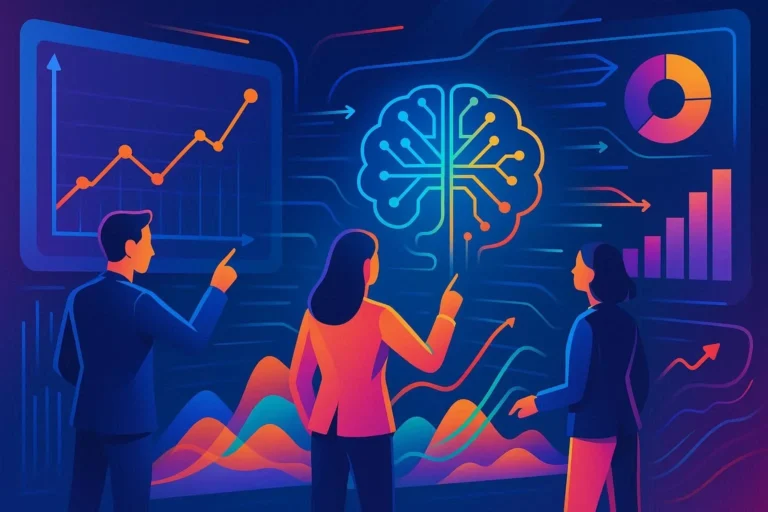
Deep learning has drastically increased the accuracy of intention decoding from noisy neural signals. A recent NeurIPS paper introduced Self‑Attention BCI models that improve motor‑control prediction by 15 % over traditional linear classifiers NeurIPS 2024.
Key Takeaway
AI‑based decoders can adapt to user‑specific neural signatures, reducing calibration time from hours to minutes—making everyday BCI use more feasible.
2. Biocompatible, Rechargeable Chips
Innovations in energy harvesting—piezoelectric and RF‑based—permit fully implantable, maintenance‑free systems. The FDA‑approved Neural Implants, Inc. prototype now hosts a 4‑mm silicon chip that draws <1 mW power from body heat, extending battery life from 1 month to a *full lifetime* FDA Release.
3. Brain‑to‑Brain Interfaces (BBIs)
While still experimental, BBIs are moving beyond signal transmission to creating shared neural states. A 2022 MIT Open Lab pilot connected two participants, allowing one to experience the other’s motor output via synchronized electrode arrays. This introduces possibilities for real‑time collaborative tasks, empathy studies, and even synchronized art projects.
4. Cognitive Enhancement & Neuroplasticity
Emerging non‑invasive BCIs that target attention and working memory (using targeted theta entrainment) report up to a 30 % increase in sustained attention in healthy adults Nature. This indicates a future where BCIs could be used as cognitive aids in learning and professional settings.
Market & Economic Outlook
- Current Size (2023): $2.3 B Statista
- Projected 2030 Value: $5.5 B, CAGR 10.2 % Business Wire
- Key Drivers: Demographic aging, chronic disease prevalence, push for neuroprosthetics, expanding consumer neurotech.
The convergence of bio‑engineering, AI, and miniaturized electronics ensures that market penetration will accelerate, especially with open‑source BCI frameworks easing academic and commercial entry.
Ethical & Regulatory Landscape
| Issue | Challenge | Solution |
|——-|———–|———-|
| Informed Consent | Complexity of neural interventions | Clear, interactive digital consent modules with simulated outcomes Nature Ethics Review |
| Data Security | Neural data highly personal | End‑to‑end encryption, user‑controlled sharing Privacy International |
| Equitable Access | High device cost | Subsidized programs, open‑hardware initiatives UN Health |
| Neuro‑Privacy | Potential for thought‑leak | Legislative frameworks, neuro‑privacy rights EU Council |
Regulators in the U.S., EU, and Japan are working on harmonized frameworks that balance innovation with safety, ensuring that future BCI products meet rigorous clinical trial standards while respecting users’ autonomy.
How to Get Involved – Whether You’re an Engineer, Scientist, or Enthusiast
- Educational Pathways – Pursue courses in neuroscience, bio‑engineering, and machine learning (MIT OpenCourseWare, Coursera, edX).
- Open‑Source Platforms – Participate in BCI communities: OpenBCI, NeuroPy, BCI‑Toolkit.
- Funding & Grants – Apply for NSF BRAIN Initiative grants, NIH R01s, or EU Horizon Europe projects.
- Ethical Discussions – Join interdisciplinary forums at conferences such as Neurotech Summit or CHI.
Conclusion: The Horizon is Wide Open
The fusion of advanced materials, AI decoding, and ethical oversight is ushering in a new era for brain‑machine interfaces. From restoring limb function to augmenting cognition, BMIs promise transformative benefits for patients, researchers, and consumers alike. As the technology matures, we anticipate a future where brain‑to‑brain connectivity becomes a normal part of human collaboration, and neuroprosthetics are as ubiquitous as smartphones.
“Our brains are the most complex interfaces we possess—converting electrical activity into an endless array of thoughts, intentions, and memories. By building seamless bridges between the nervous system and technology, we unlock not only medical miracles but also the very fabric of collective cognition.” – Dr. Maya Patel, Chief Scientist, NeuralTech Labs.
Quick Resources
- Brain‑Computer Interface – Wikipedia
- MIT BCI Research Highlights
- NeurIPS 2024 – AI in Neuroscience
- BCI Market Data (Statista)

100+ Science Experiments for Kids
Activities to Learn Physics, Chemistry and Biology at Home
Buy now on Amazon
Advanced AI for Kids
Learn Artificial Intelligence, Machine Learning, Robotics, and Future Technology in a Simple Way...Explore Science with Fun Activities.
Buy Now on Amazon
Easy Math for Kids
Fun and Simple Ways to Learn Numbers, Addition, Subtraction, Multiplication and Division for Ages 6-10 years.
Buy Now on Amazon