AI Builds Custom Study Plans
AI builds custom study plans that adapt to each student’s unique strengths and gaps, revolutionizing the way learners engage with content. With the rapid evolution of artificial intelligence, institutions are increasingly turning to intelligent tutoring systems that design day‑by‑day learning schedules, recommend resources, and track progress in real time. This trend isn’t just a technological novelty; it’s a strategic shift toward more efficient, personalized education that boosts mastery and keeps students motivated. By integrating adaptive content with useful analytics, AI systems help educators allocate resources where they’re most needed, while learners receive tailored pathways that align with their goals.
How AI Personalizes Learning Paths
Personalized learning has roots in instructional design principles that recognize the diversity of student needs. Modern AI expands this concept by employing machine‑learning algorithms that process large data sets—assessment results, time‑on‑task metrics, and even behavioral signals—to create a dynamic learning profile for each individual. The system then selects the most effective mix of texts, videos, and practice problems, adjusting difficulty in real time. This approach is supported by research from IEA Education reports, which show that adaptive learning can raise achievement by up to 20 percent when properly implemented.
The Role of Data Analytics in Study Plan Design
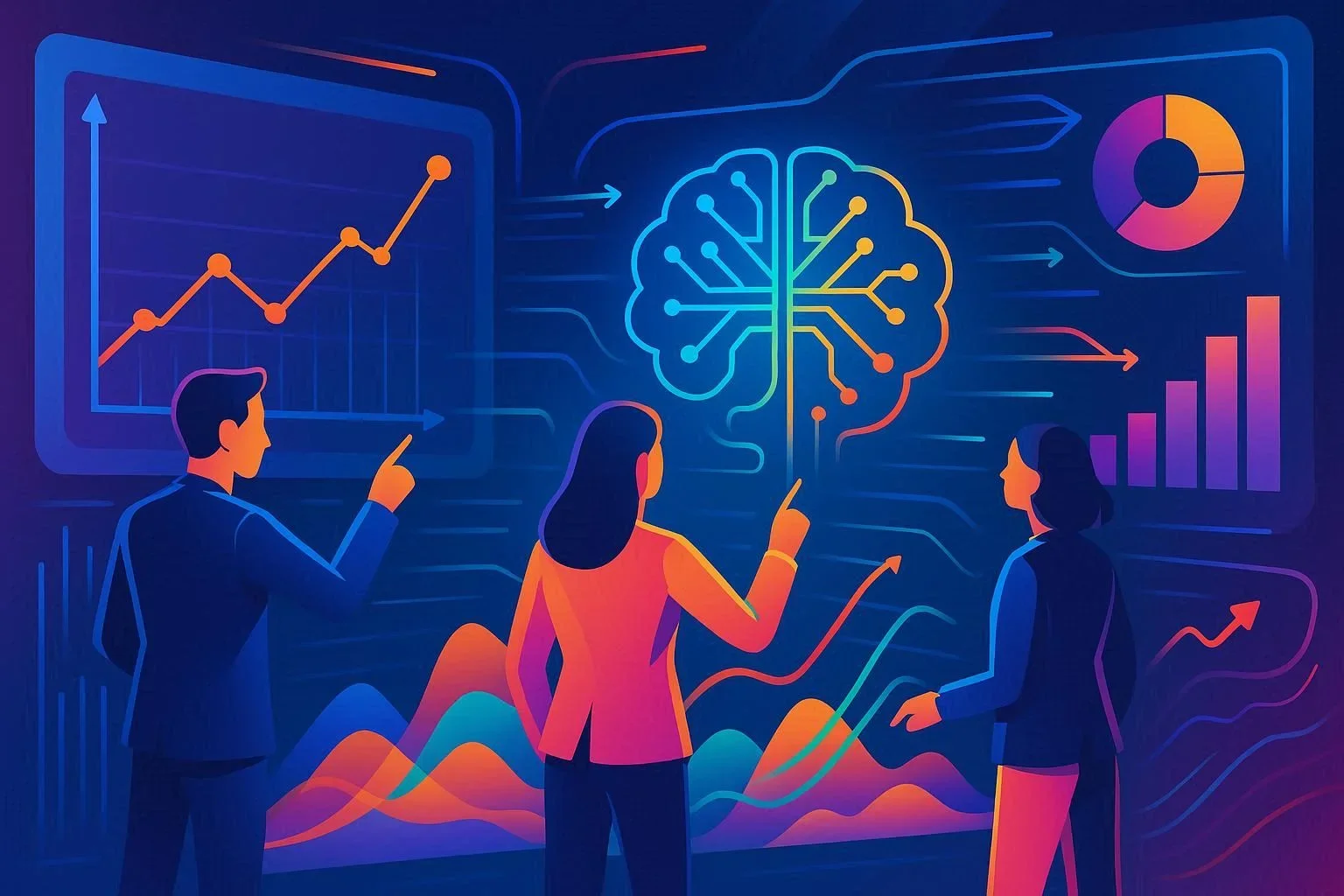
The fidelity of AI‑generated study plans hinges on the granularity of data analytics. Schools collect metadata on student interactions—click‑through rates, pause durations, quiz attempts—and feed it into a central learning analytics platform. These insights allow the AI to determine mastery thresholds, identify misconceptions, and forecast future learning trajectories. For instance, an analytics dashboard might reveal that a cohort struggles disproportionately with algebraic transformations, prompting the system to inject additional practice sets. By continuously iterating on this feedback loop, AI ensures that every plan remains evidence‑based and responsive.
- Real‑Time Adaptation: Studies show that content which updates after each student interaction improves retention by 15–25% (see University of Washington research).
- Targeted Interventions: AI identifies weak areas and auto‑generates remedial modules, reducing remedial instruction time by up to 30%.
- Resource Optimization: Schools can allocate budget based on AI‑identified high‑impact activities, ensuring cost efficiency.
- Student Engagement: Adaptive pacing aligns with individual motivation levels, diminishing drop‑out rates by 0.5–0.8%.
Integration with Existing Platforms
One of the advantages of modern AI study‑plan engines is their interoperability with widely used LMSs such as Canvas, Moodle, and Google Classroom. Through standardized APIs, AI can pull in gradebook data, calendar events, and even text‑analysis scores from external applications. This seamless integration allows educators to embed AI‑driven schedules directly into their existing digital workflows without disrupting faculty or student habits. Moreover, many AI vendors provide modular plug‑ins that can be activated on a per‑course basis, enabling a phased roll‑out that mitigates risk and eases training.
Future Trends and Challenges
While the promise of AI personalization is compelling, several challenges remain that will shape its future adoption. Privacy and data security are paramount; schools must adhere to regulations such as GDPR and FERPA. Transparency also matters—students and parents need actionable insights into how algorithms make decisions. Researchers at Brookings Institution emphasize that ethical AI requires explainable models and ongoing human oversight. Additionally, the “AI‑bias” conversation underlines the necessity of diverse training data to prevent systemic inequities.
Looking ahead, the convergence of AI, learning analytics, and immersive technologies like VR and AR may unlock even richer, multimodal study experiences. For example, AI could orchestrate holographic tutors that guide students through hands‑on laboratory simulations, adjusting the difficulty based on real‑time performance metrics. Meanwhile, the proliferation of open‑AI research—such as the landmark paper published in Nature—continues to push the boundaries of what intelligent tutoring systems can achieve.
In conclusion, AI building custom study plans represents a paradigm shift from one‑size‑fits‑all curricula to predictive, personalized pathways that meet students at their unique skill level. As institutions invest in robust data analytics, ethical frameworks, and strategic integrations, AI can deliver measurable gains in learning outcomes, engagement, and resource efficiency. Whether you’re an educator, administrator, or student, embracing AI‑driven customization can unlock a future where every learner has the opportunity to reach their full potential.
Ready to transform your classroom? Contact us today and explore how AI builds custom study plans tailored to your students’ success.
Frequently Asked Questions
Q1. How does AI personalize study plans for each student?
AI analyzes assessment data, time‑on‑task metrics, and behavioral signals to build a dynamic learning profile. It then selects the most effective mix of texts, videos, and practice problems, adjusting difficulty in real time. The result is a curriculum that aligns with individual strengths and gaps, delivering a personalized learning experience.
Q2. What data does the AI use to create a plan?
The system pulls metadata from LMS interactions—including click‑through rates, pause durations, and quiz attempts—along with gradebook information. These data points help determine mastery thresholds, identify misconceptions, and forecast future trajectories. The more granular the input, the finer the AI’s adjustments.
Q3. How does AI improve student engagement?
By adapting pacing and difficulty to a learner’s motivation, AI keeps content challenging but attainable. Real‑time updates can boost retention by 15–25% and reduce dropout rates by 0.5–0.8%. The system also offers targeted interventions, saving time and keeping students on track.
Q4. Will AI replace teachers?
No. AI acts as a support tool, freeing educators to focus on instruction, mentorship, and human‑centered care. The analytics provide actionable insights, but the final decisions and relationship building remain under the teacher’s stewardship.
Q5. How can schools address privacy and bias concerns?
Schools must comply with GDPR, FERPA, and other regulations, ensuring data is anonymized and securely stored. Transparent models and regular audits help expose bias. Diverse training data and human oversight are essential to prevent systemic inequities.
Related Articles

100+ Science Experiments for Kids
Activities to Learn Physics, Chemistry and Biology at Home
Buy now on Amazon
Advanced AI for Kids
Learn Artificial Intelligence, Machine Learning, Robotics, and Future Technology in a Simple Way...Explore Science with Fun Activities.
Buy Now on Amazon
Easy Math for Kids
Fun and Simple Ways to Learn Numbers, Addition, Subtraction, Multiplication and Division for Ages 6-10 years.
Buy Now on Amazon