AI-Powered Molecular Design for Vaccines
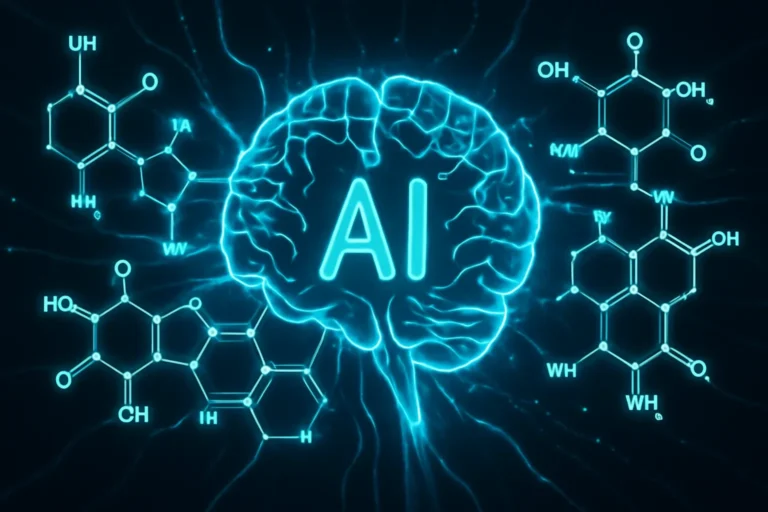
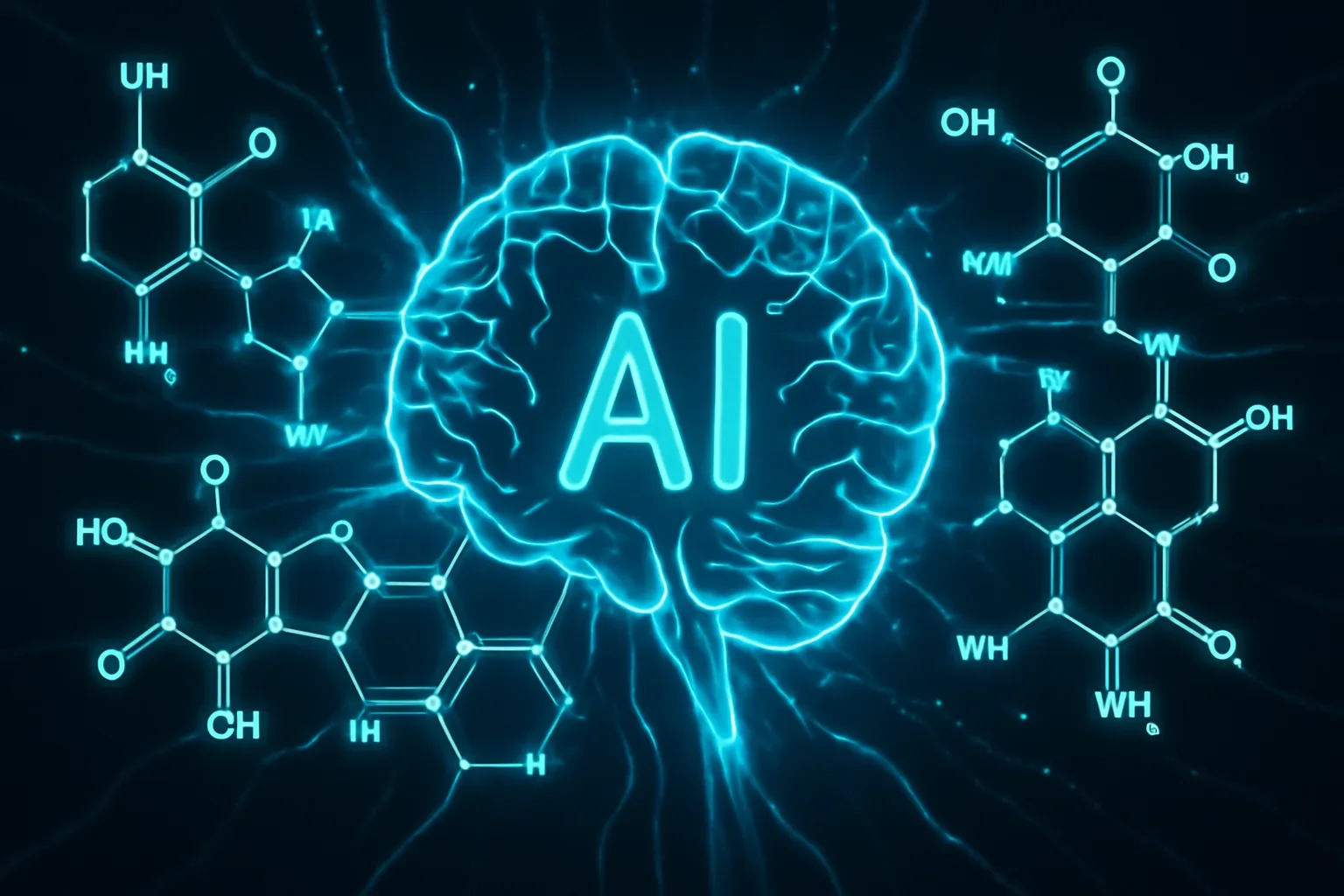
Artificial intelligence is redefining how we approach vaccine development, offering unprecedented speed and precision through AI-Powered Molecular Design. Early stages of antigen discovery, protein folding, and vaccine formulation are now augmented by machine learning algorithms that can predict immune responses, optimize nucleic acid sequences, and simulate large-scale clinical scenarios. By integrating state-of-the-art computational chemistry with real-world immunological data, researchers are accelerating timelines from years to months while reducing trial failures.
How AI Accelerates Antigen Discovery
The first critical step in vaccine creation is identifying a suitable antigen that can elicit a protective immune response. Traditional methods rely on pathogen isolation and immunogenicity assays, which can be laborious and costly. AI-Powered Molecular Design transforms this process by mining vast sequence databases and predicting immunogenic epitopes with high accuracy. Models such as deep generative networks learn structural patterns from known antigens and generate novel candidates that maintain antigenicity while minimizing off‑target effects.
- Reduced design cycles from 6–12 months to less than 2 months.
- Enhanced coverage of viral mutations, especially for rapidly evolving pathogens like influenza and SARS‑CoV‑2.
- Improved selection of epitopes with broad cross‑reactivity across subtypes.
Collaborations between academic institutions and open-source AI platforms, including the OpenAI Research Initiative, are creating shared knowledge bases that refine predictive accuracy.
Integrating Protein Folding Simulations
Accurate high‑resolution protein structures are essential for vaccine efficacy. AI-enabled protein folding models, notably the breakthroughs seen in DeepMind’s AlphaFold series, enable researchers to predict tertiary structures with atomic precision. This capability allows for rapid in silico characterization of spike proteins, hemagglutinin molecules, and other critical antigens without the need for labor‑intensive crystallography or cryo‑electron microscopy.
These predictions are further validated through molecular dynamics simulations, which assess stability under physiological conditions. By automating the validation pipeline, vaccine designers can spot potential misfolding or aggregation pitfalls before any wet‑lab work commencing, thereby cutting down the prototype-to‑candidate transition time.
Authorities like the WHO vaccine factsheet emphasize the importance of structural clarity for successful immunogenic responses.
Optimizing mRNA Vaccine Payloads
Messenger RNA (mRNA) vaccines have become a platform of choice due to their rapid manufacturing and scalability. AI-Powered Molecular Design plays a decisive role in tailoring the mRNA sequence for optimal translation efficiency and reduced innate immune activation. Machine learning models analyze codon usage bias, mRNA secondary structures, and nucleoside modifications to generate payloads that maximize protein expression while minimizing unwanted inflammatory responses.
Key considerations addressed by AI include:
- Codon optimization algorithms that align with host tRNA pools.
- Stability enhancements through design of 5’ cap analogues and poly(A) tail length.
- Ribosome binding site (RBS) selection to fine‑tune translation rates.
CDC Vaccines Portal data support the rise in mRNA vaccine applications following the COVID‑19 pandemic, underscoring the necessity for precise molecular engineering.
Bridging Computational Models to Clinical Trials
Translating computational insights into clinical outcomes remains a challenge. To address this, AI-Powered Molecular Design incorporates adaptive trial simulation modules that forecast participant responses based on demographic and genetic variables. Integrating digital twins—virtual models that mimic patient physiology—allow researchers to identify optimal dosing strategies and anticipate rare adverse events before any actual trial enrollment.
Moreover, artificial intelligence helps in real‑time data monitoring. By applying federated learning frameworks, data from multiple sites contribute to a central model without compromising privacy. This collaborative approach hastens the phase I–III progression, as demonstrated by recent studies highlighted in the Nature article on AI in vaccine design.
The National Academies of Sciences also advocate for the integration of AI in regulatory science, promoting transparent validation pathways for next‑generation vaccines.
Key Secondary Keywords Interwoven in the Narrative
Throughout this article, we reference critical terms such as vaccine development, immune response, mRNA vaccines, computational biology, antibody engineering, and clinical trials. These elements collectively enhance the informational relevance for audiences and search algorithms alike.
Future Directions for AI‑Driven Vaccine Design
Emerging trends point toward more holistic approaches that combine genomics, proteomics, and systems biology data. Merge cheminformatics platforms with immunoinformatics to predict epitope immunodominance across diverse populations. Simultaneously, reinforcement learning methods are being deployed to sequentially optimize multi‑dose schedules, pushing vaccine coverage and durability to new heights.
Each of these advancements builds on the solid foundation of AI-Powered Molecular Design, ensuring that vaccine science continues to outpace pathogen evolution.
Nurture your next breakthrough by harnessing AI-Powered Molecular Design—contact our experts today to transform the future of vaccine innovation.

100+ Science Experiments for Kids
Activities to Learn Physics, Chemistry and Biology at Home
Buy now on Amazon
Advanced AI for Kids
Learn Artificial Intelligence, Machine Learning, Robotics, and Future Technology in a Simple Way...Explore Science with Fun Activities.
Buy Now on Amazon
Easy Math for Kids
Fun and Simple Ways to Learn Numbers, Addition, Subtraction, Multiplication and Division for Ages 6-10 years.
Buy Now on Amazon