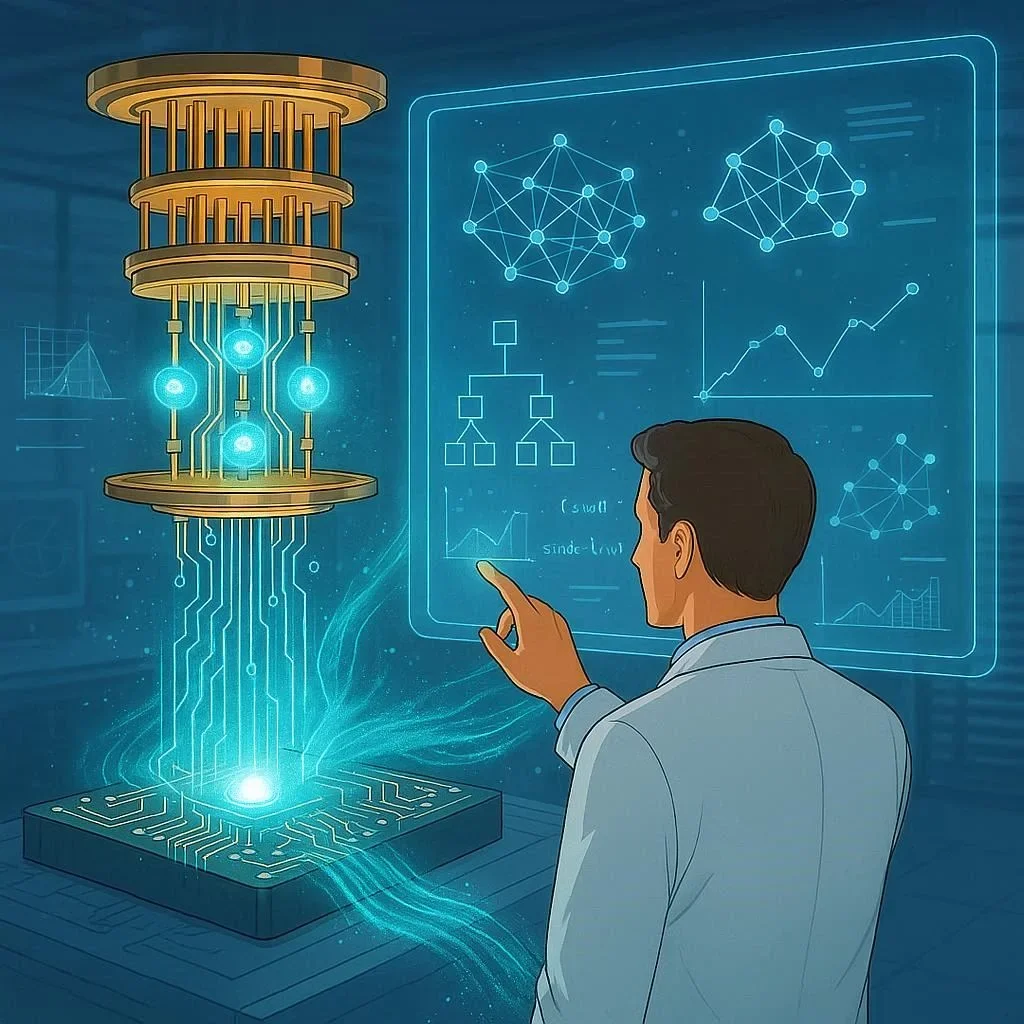
Designing Smarter Health Diagnostics with Machine Learning
The Intersection of Healthcare and Artificial Intelligence
The rapid convergence of machine learning (ML) and healthcare has opened unprecedented opportunities for improving diagnostic accuracy, reducing costs, and enhancing patient outcomes. Health diagnostics, a critical pillar of modern medicine, is undergoing a transformative shift thanks to the integration of artificial intelligence. In this blog post, we delve into how machine learning is reshaping the landscape of health diagnostics, the challenges it faces, and the potential it holds for the future.
Understanding Machine Learning in Healthcare
Machine learning, a subset of artificial intelligence, involves the use of algorithms that enable systems to learn from data and make predictions or decisions without explicit programming. In healthcare, ML algorithms can process vast amounts of structured and unstructured data, identify patterns, and provide actionable insights. This capability is particularly valuable in diagnostics, where timely and accurate decision-making is crucial.
How Machine Learning is Transforming Health Diagnostics
- Enhanced Diagnostic Accuracy
ML algorithms can analyze medical images, lab results, and patient histories with remarkable precision. For instance, deep learning models have demonstrated exceptional accuracy in detecting abnormalities in X-rays, CT scans, and MRI images, often outperforming human radiologists. - Early Disease Detection
Early detection of diseases like cancer, diabetes, and cardiovascular conditions significantly improves treatment outcomes. Machine learning models can identify early warning signs in patient data, enabling early interventions and potentially saving lives. - Personalized Medicine
ML algorithms can analyze genetic data, lifestyle factors, and medical histories to provide personalized diagnostic insights. This approach allows for tailored treatment plans, improving efficacy and reducing side effects.
Current Applications of Machine Learning in Diagnostics
1. Medical Imaging Analysis
- Computer Vision in Radiology: ML models are being used to analyze medical images for conditions such as tumors, fractures, and retinal diseases. Tools like convolutional neural networks (CNNs) have become indispensable in modern radiology.
- Example: DeepMind Health has developed AI systems that can detect eye diseases like diabetic retinopathy with high accuracy.
2. Predictive Analytics
- ML algorithms can predict patient outcomes, such as the likelihood of readmission or the progression of a disease. This enables healthcare providers to take proactive measures.
- Example: The NIH Clinical Center uses predictive models to identify patients at risk of sepsis, a life-threatening condition.
3. Wearable Health Technology
- Wearable devices, combined with ML, can monitor vital signs and detect irregularities in real-time. This approach is particularly useful for managing chronic conditions like heart disease and diabetes.
- Example: The Apple Watch uses ML to detect irregular heart rhythms and alert users to potential issues.
Challenges in Implementing Machine Learning in Diagnostics
While the potential of ML in healthcare is immense, several challenges must be addressed:
- Data Privacy and Security
- Handling sensitive patient data requires robust cybersecurity measures to prevent breaches and ensure compliance with regulations like HIPAA.
- Data Quality and Bias
- ML models are only as good as the data they are trained on. Biased or incomplete datasets can lead to inaccurate predictions and perpetuate health disparities.
- Regulatory Hurdles
- The FDA and other regulatory bodies must establish clear guidelines for the approval and deployment of ML-based diagnostic tools.
- Clinician Adoption
- Healthcare providers may be hesitant to adopt new technologies due to concerns about reliability, liability, and workflow integration.
The Future of Machine Learning in Health Diagnostics
The future of health diagnostics is undoubtedly intertwined with machine learning. As the technology matures and overcomes existing challenges, we can expect:
- Widespread Adoption
- ML-based diagnostic tools will become standard in hospitals and clinics, streamlining workflows and improving patient care.
- Integration with Wearables
- The convergence of wearables and ML will enable continuous health monitoring and early detection of illnesses.
- Global Access
- ML-based diagnostics could bridge the gap in healthcare access, particularly in underserved regions where specialist availability is limited.
Conclusion: Empowering Smarter Diagnostics
Machine learning is revolutionizing health diagnostics by enhancing accuracy, enabling early detection, and personalizing care. While challenges remain, the potential to transform healthcare is immense. As the technology evolves, it is crucial to address ethical, regulatory, and adoption barriers to ensure equitable access to smarter diagnostics.
Call to Action
To stay updated on the latest developments in machine learning and health diagnostics, subscribe to our newsletter or follow us on social media. If you’re interested in exploring how ML can benefit your organization, contact our team of experts today.

100+ Science Experiments for Kids
Activities to Learn Physics, Chemistry and Biology at Home
Buy now on Amazon
Advanced AI for Kids
Learn Artificial Intelligence, Machine Learning, Robotics, and Future Technology in a Simple Way...Explore Science with Fun Activities.
Buy Now on Amazon
Easy Math for Kids
Fun and Simple Ways to Learn Numbers, Addition, Subtraction, Multiplication and Division for Ages 6-10 years.
Buy Now on Amazon