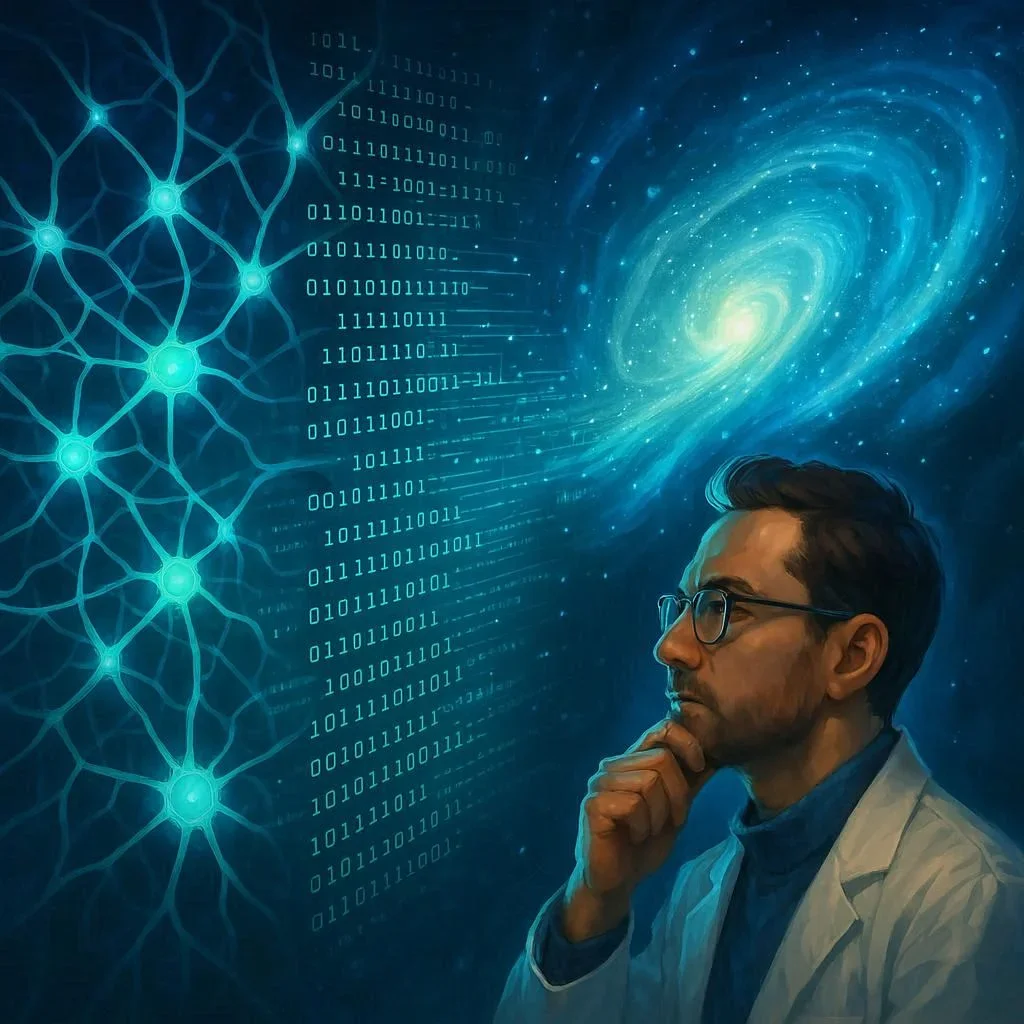
Neural Data Science in Neurodegenerative Research
Unlocking the Mysteries of the Brain Through Data Science
Neurodegenerative diseases, such as Alzheimer’s, Parkinson’s, and Huntington’s, represent some of the most significant challenges in modern medicine. These conditions are characterized by the progressive loss of brain function, often leading to devastating cognitive and motor impairments. Traditional research methods have yielded limited progress, but the advent of neural data science—a interdisciplinary field combining neuroscience, data science, and artificial intelligence—offers new hope for understanding and treating these disorders.
The Rise of Neural Data Science
Neural data science refers to the application of advanced computational techniques to analyze large-scale neural datasets. These datasets, often derived from neuroimaging, electrophysiological recordings, or genomic studies, provide unprecedented insights into the brain’s structure and function. By leveraging machine learning algorithms, researchers can identify patterns and predictors that might otherwise remain invisible.
For instance, fMRI data can be analyzed to map brain activity in individuals with neurodegenerative diseases, revealing subtle changes in connectivity that correlate with symptom progression. Similarly, ECoG recordings can capture high-resolution neural signals, enabling researchers to study the dynamics of brain circuits in real time.
The Role of AI in Neurodegenerative Research
Artificial intelligence (AI) has emerged as a transformative tool in neurodegenerative research. Machine learning models, particularly deep learning, excel at processing complex biological data. These models can be trained to predict disease progression, identify biomarkers, and even simulate the effects of potential therapies.
Predicting Disease Progression
One of the most promising applications of AI in neurodegenerative research is predictive modeling. For example, researchers at the Alzheimer’s Society have developed algorithms that use MRI scans and cognitive tests to predict the onset of Alzheimer’s disease years before symptoms appear. Early detection is critical, as it allows for earlier intervention and potentially slower disease progression.
Identifying Biomarkers
Biomarkers—biological indicators of disease—are essential for diagnosing and monitoring neurodegenerative conditions. AI can help identify novel biomarkers by analyzing large datasets, such as protein levels in cerebrospinal fluid or genetic mutations associated with disease risk. For instance, studies published in Nature have demonstrated that machine learning can detect subtle variations in gene expression that are linked to neurodegenerative processes.
Simulating Brain Dynamics
AI can also simulate brain dynamics, providing insights into how neurodegenerative diseases disrupt normal neural function. These simulations can be used to test hypotheses about disease mechanisms and evaluate the potential efficacy of new treatments. For example, researchers at the Allen Institute for Brain Science have developed computational models that simulate the spread of tau proteins in Alzheimer’s disease, shedding light on the mechanisms underlying disease progression.
Applications of Neural Data Science in Specific Disorders
While neural data science holds broad potential for advancing neurodegenerative research, its applications vary across specific disorders. Let’s explore how this field is addressing some of the most common neurodegenerative diseases.
Alzheimer’s Disease
Alzheimer’s disease is the most prevalent neurodegenerative disorder, characterized by the accumulation of amyloid-beta plaques and tau tangles in the brain. Neural data science is playing a pivotal role in understanding the disease’s progression and developing effective treatments.
- Amyloid-beta Detection: AI-powered analysis of PET scans can detect amyloid-beta deposits in the brain, enabling early diagnosis and monitoring of disease progression.
- CognitiveDecline Prediction: Machine learning models analyze cognitive test scores, genetic data, and lifestyle factors to predict the likelihood of cognitive decline.
- Drug Discovery: Virtual screening platforms use neural networks to identify potential drug candidates that target amyloid-beta or tau pathology.
Parkinson’s Disease
Parkinson’s disease is another major focus of neural data science research. Characterized by tremors, rigidity, and bradykinesia, this disorder is linked to the loss of dopamine-producing neurons in the substantia nigra. Researchers are leveraging neural data science to develop new diagnostic tools and therapies.
- Motor Symptom Analysis: Wearable devices collect data on motor symptoms, which are analyzed using machine learning algorithms to assess disease severity and track progression.
- Neuroimaging Biomarkers: Advanced analysis of MRI and DaTscans helps identify biomarkers associated with dopamine loss and neurodegeneration.
- Personalized Therapies: AI-driven models predict individual responses to treatments, enabling personalized therapy regimens.
Huntington’s Disease
Huntington’s disease is a rare, inherited disorder caused by mutations in the huntingtin gene. It leads to progressive damage to the brain, resulting in motor, cognitive, and psychiatric deficits. Neural data science is aiding researchers in understanding the genetic and molecular mechanisms underlying this disease.
- Gene Expression Analysis: Machine learning algorithms analyze gene expression profiles to identify pathways affected by the huntingtin mutation.
- Predictive Modeling: AI models predict the age of onset and disease progression based on genetic and clinical data.
- Therapeutic Target Identification: Computational models simulate the effects of potential therapies on neural circuits, guiding drug development efforts.
Overcoming Challenges in Neural Data Science
While neural data science offers immense potential, it also presents significant challenges that must be addressed to fully realize its benefits.
Data Heterogeneity
Neural datasets often come from diverse sources and modalities, making integration and analysis challenging. For example, combining fMRI, EEG, and genomic data requires sophisticated preprocessing and harmonization techniques.
Computational Complexity
Analyzing large-scale neural datasets demands significant computational resources. Training deep learning models on these datasets can be time-consuming and resource-intensive, particularly in academic or clinical settings with limited budgets.
Ethical Considerations
The use of AI in neurodegenerative research raises ethical concerns, particularly regarding data privacy and consent. Ensuring that patient data is anonymized and protected is essential to maintaining trust and adhering to regulatory standards.
The Future of Neural Data Science in Neurodegenerative Research
The future of neural data science in neurodegenerative research is both exciting and promising. Advances in AI, computational power, and data sharing initiatives are expected to accelerate progress in the coming years.
Open Science Initiatives
Open science platforms, such as the UK Biobank, are making large-scale neural datasets available to researchers worldwide. These resources enable collaborative research and reuse of data, driving innovation and reducing redundancy.
AI-Driven Therapies
The integration of AI into therapeutic development is expected to revolutionize treatment options for neurodegenerative diseases. From personalized medicine to gene therapy, AI is helping researchers design interventions that target the root causes of these conditions.
Global Collaboration
Neurodegenerative diseases are a global health challenge, requiring global collaboration. Neural data science provides a common language and framework for researchers across disciplines and borders, fostering a unified approach to tackling these diseases.
Conclusion
Neural data science is transforming the landscape of neurodegenerative research, offering newfound insights into the mechanisms of brain disorders and paving the way for innovative treatments. By leveraging the power of AI and big data, researchers are unlocking the mysteries of the brain and bringing hope to millions affected by these devastating diseases.
As we continue to advance in this field, it’s essential to stay informed and support ongoing research. Whether you’re a scientist, clinician, or advocate, your contribution can make a difference in the fight against neurodegenerative diseases.
Call to Action: Join the conversation by sharing your thoughts on how neural data science is shaping the future of neurodegenerative research. Follow us for more updates on cutting-edge advancements in neuroscience and AI.

100+ Science Experiments for Kids
Activities to Learn Physics, Chemistry and Biology at Home
Buy now on Amazon
Advanced AI for Kids
Learn Artificial Intelligence, Machine Learning, Robotics, and Future Technology in a Simple Way...Explore Science with Fun Activities.
Buy Now on Amazon
Easy Math for Kids
Fun and Simple Ways to Learn Numbers, Addition, Subtraction, Multiplication and Division for Ages 6-10 years.
Buy Now on Amazon