AI-Powered Molecular Design for Vaccines
AI-Powered Molecular Design is emerging as a transformative approach in vaccine development, enabling rapid identification of robust antigens, precise epitope mapping, and tailored adjuvant formulations. By harnessing large datasets, deep learning algorithms, and advanced molecular simulations, researchers can now design candidate vaccines with unprecedented speed and accuracy, a leap that could reshape our battle against emerging pathogens.
AI-Powered Molecular Design Basics
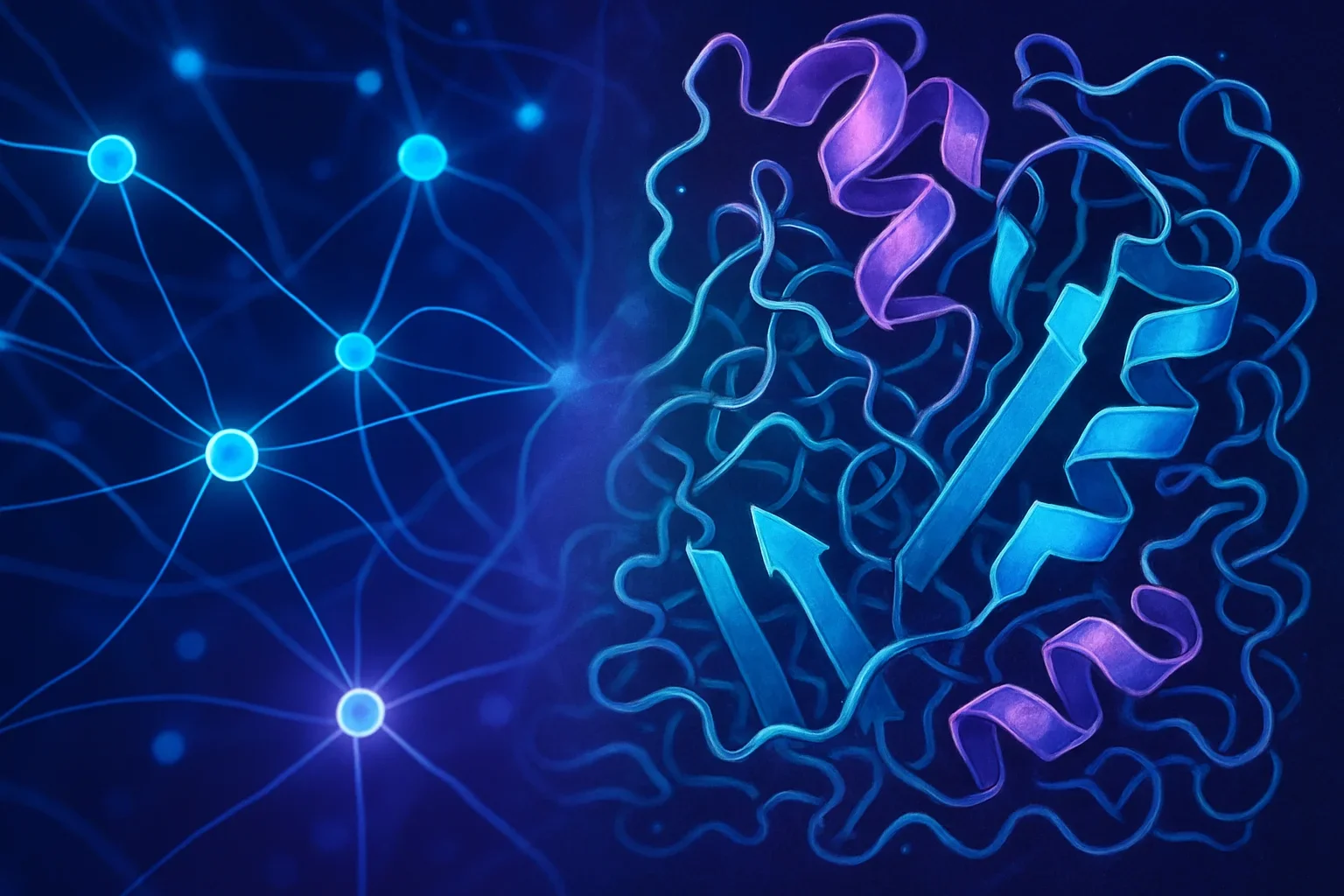
At its core, AI-Powered Molecular Design integrates computational biology with machine learning to predict how a protein behaves in the immune system. Researchers feed the AI model information about protein structure, glycosylation patterns, and dynamic conformations, and the model returns potential antigenic sites with high confidence scores.
- Large-scale protein databases such as Protein Data Bank (PDB) provide high-resolution structures for training.
- Generative adversarial networks (GANs) create novel protein folds that might escape existing viral mutations.
- Graph neural networks model residue interactions to estimate immunogenicity.
Computational Screening for Antigens
The first step in AI-driven vaccine design is a virtual screen of thousands of viral proteins or peptides. By applying predictive models, scientists can shortlist candidate antigens that show strong binding to major histocompatibility complex (MHC) molecules—essential for T‑cell activation. Several public resources, such as the NIH COVID-19 Vaccine Projects, illustrate how rapid screening identified spike protein epitopes for mRNA vaccines.
Optimizing Vaccine Candidates with Machine Learning
Once potential antigens are identified, machine learning fine‑tunes the sequences for optimal stability, expression, and immune response. Key strategies include:
- Protein Engineering—algorithms redesign the amino‑acid sequence to reduce aggregation without compromising antigenicity.
- Adjuvant Formulation—the AI models predict synergistic combinations of adjuvants, like alum or MF59, that boost antibody production.
- mRNA Vaccine Design—deep learning generates codon‑optimal sequences that enhance translation efficiency in host cells.
- In silico immune profiling simulates how a vaccine will stimulate B‑cells, T‑cells, and cytokine production.
This integrated approach shortens the pre‑clinical testing window, allowing researchers to iterate designs in weeks rather than months.
Translating AI Models Into Clinical Trials
Even the most sophisticated AI predictions must be validated in the laboratory and then in phased clinical trials. Regulatory agencies such as the Food and Drug Administration (FDA) now provide guidelines for AI‑driven drug development, acknowledging the need for transparent model documentation and reproducibility. Researchers are partnering with institutions like National Cancer Institute to apply AI protocols to vaccine candidates for influenza and SARS-CoV‑2.
Real‑world data integration—drawing from electronic health records and post‑marketing surveillance—feeds back into AI systems. This closed loop improves model fidelity, ensuring that vaccines remain effective against evolving strains.
Conclusion: Harnessing AI-Powered Molecular Design for Pandemic Preparedness
AI-Powered Molecular Design marks a paradigm shift in how we conceptualize vaccine research. By automating antigen selection, optimizing stability, and predicting immune efficacy, this technology accelerates the path from sequence to syringe. As computational power grows and datasets expand, the synergy between biology and machine learning will yield vaccines that are safer, more effective, and ready to meet the challenges of tomorrow’s pathogens.
Ready to explore AI-driven vaccine solutions for your organization? Connect with our experts today to transform your research pipeline.
Frequently Asked Questions
Q1. What is AI-powered molecular design in vaccine development?
AI-powered molecular design uses machine learning algorithms to analyze protein structures, predict antigenic sites, and model immune interactions. By leveraging large datasets such as the Protein Data Bank, the approach can identify promising vaccine targets with high confidence. This method reduces the time needed for traditional experimental screening, accelerating early-stage research.
Q2. How does AI accelerate vaccine antigen discovery?
AI models perform virtual screening of thousands of viral proteins, scoring each for MHC binding and immunogenicity. This yields a shortlist of high‑potential antigens within days, compared to months for wet‑lab screening. The rapid identification speeds up formulation and preclinical testing cycles.
Q3. What types of AI models are commonly used in this field?
Generative adversarial networks (GANs) create novel protein folds, graph neural networks map residue interactions, and reinforcement learning agents optimize codon usage for mRNA vaccines. Convolutional neural networks also analyze glycosylation patterns that influence immune recognition. Combining these models offers a comprehensive design pipeline.
Q4. Are AI-designed vaccines safe and regulatory approved?
AI merely narrows candidate pools; rigorous laboratory and clinical validation remain required. Regulatory bodies like the FDA now provide guidelines for AI-driven drug development, emphasizing transparent model documentation. Approved AI-designed vaccines must meet the same safety and efficacy standards as traditionally developed ones.
Q5. How can researchers access AI tools for vaccine design?
Many open‑source frameworks such as AlphaFold and deep learning libraries are freely available. Academic institutions collaborate with industry partners to provide cloud‑based platforms that house curated protein databases. Researchers can also leverage public resources like the NIH COVID‑19 Vaccine Projects portal for case studies and data access.
Related Articles

100+ Science Experiments for Kids
Activities to Learn Physics, Chemistry and Biology at Home
Buy now on Amazon
Advanced AI for Kids
Learn Artificial Intelligence, Machine Learning, Robotics, and Future Technology in a Simple Way...Explore Science with Fun Activities.
Buy Now on Amazon
Easy Math for Kids
Fun and Simple Ways to Learn Numbers, Addition, Subtraction, Multiplication and Division for Ages 6-10 years.
Buy Now on Amazon