AI on Software Development Lifecycles
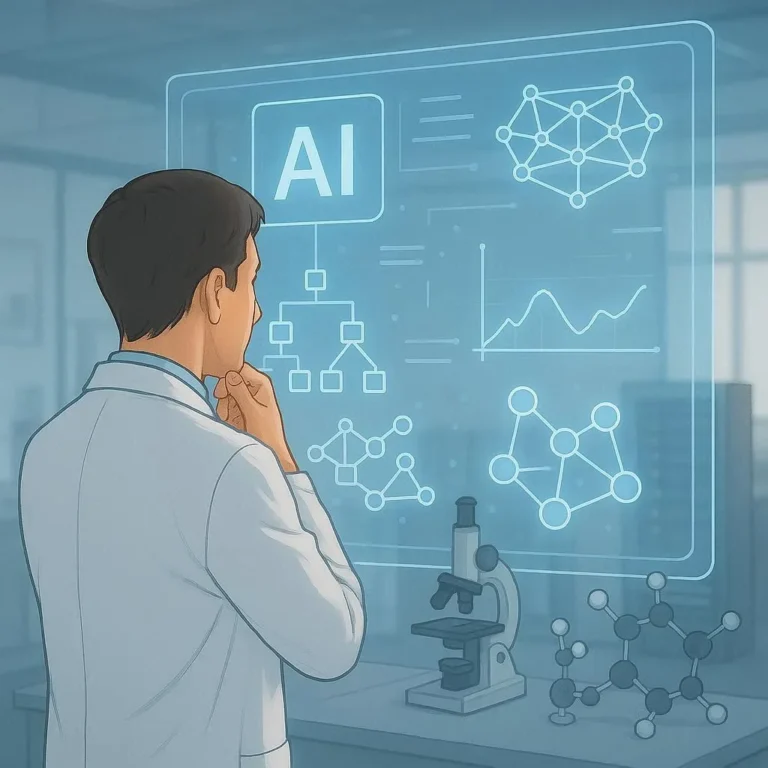
Artificial intelligence (AI) has rapidly transitioned from a niche concept to a pivotal force reshaping the AI on Software Development Lifecycles. By embedding machine learning models into every phase of the development process—from requirements gathering to deployment—companies are witnessing unprecedented levels of automation, precision, and speed. This evolution is not just about adding new tools; it’s about reinventing the workflow, redefining roles, and accelerating time‑to‑value for software products. In this article we will dissect how AI is enhancing software engineering practices, illustrate concrete benefits, and examine the future of development teams that embrace these capabilities.
From Manual to Intelligent Automation
The traditional software development lifecycle (SDLC) has long relied on manual data entry, testing, and deployment practices. AI now automates these repetitive tasks, reducing human error and freeing developers to focus on innovation. For example, natural language processing can transform user stories into structured requirements, while rule‑based engines can automatically generate sprint backlogs. These capabilities lead to a 30‑40% reduction in cycle time for many organizations. AI also enables predictive analytics to foresee bottlenecks; by analyzing historical commit logs, AI can suggest optimal release windows that minimize risk during deployment (Wikipedia) and anticipate integration challenges.
AI‑Enhanced Requirements Engineering
Requirements engineering remains one of the most error‑prone stages of the SDLC. AI tools, such as semantic search engines, parse stakeholder input and detect ambiguous or contradictory statements. Using machine learning models trained on large corpora of software documentation (Wikipedia), these tools generate preliminary requirement diagrams and quality gates. The result is higher traceability and an early detection of scope creep. Moreover, AI can automatically align requirements with industry standards, ensuring compliance with frameworks like ISO/IEC 25010 (ISO documentation).
Code Generation and Refactoring
Language models such as GPT‑4 have proven capable of writing functional code snippets based on natural language prompts. When integrated into IDEs, these models support developers in rapidly prototyping features, writing boilerplate, and even generating test cases. Code completion AI boosts productivity by up to 45% (Microsoft AI Lab). Additionally, AI-powered static analysis tools can detect code smells, security vulnerabilities, and performance regressions before they reach production. Refactoring, a traditionally laborious task, becomes a matter of a few clicks. The intelligence behind these tools is grounded in large datasets of open‑source repositories, ensuring that suggestions align with best practices.
Quality Assurance and Testing
Testing is another domain where AI demonstrates significant value. AI-driven test suites can autonomously generate test cases that cover edge conditions, predict failure points, and adapt to code changes in real time. By leveraging reinforcement learning, AI agents explore user interfaces to discover unseen bugs (IEEE article). Automation speeds up regression testing, allowing continuous integration pipelines to deliver high‑quality releases in minutes. Below is a list of AI testing benefits commonly reported by industry leaders:
- 24/7 test execution with zero fatigue
- Automated defect triage by severity
- Predictive analytics for defect hotspots
- Reduced test maintenance overhead
Beyond testing, AI assists in monitoring production, predicting incidents before they occur, and intelligently routing alerts to the right teams. The result is a smoother operation and fewer production downtimes.
The Human Element: Redefining Developer Roles
While AI automates routine tasks, it also reinvigorates the developer’s creative responsibilities. By delegating code generation, debugging, and testing to machines, developers spend more time on architecture, user experience, and strategic decision‑making. Teams become cross‑functional, with AI specialists, data scientists, and software engineers collaborating seamlessly. This cultural shift aligns with Agile frameworks, which emphasize adaptability, continuous feedback, and empowerment (Atlassian Agile Guides). Companies adopting AI-integrated SDLCs report higher employee satisfaction and faster time‑to‑market.
Future Outlook: AI as an Integral Partner
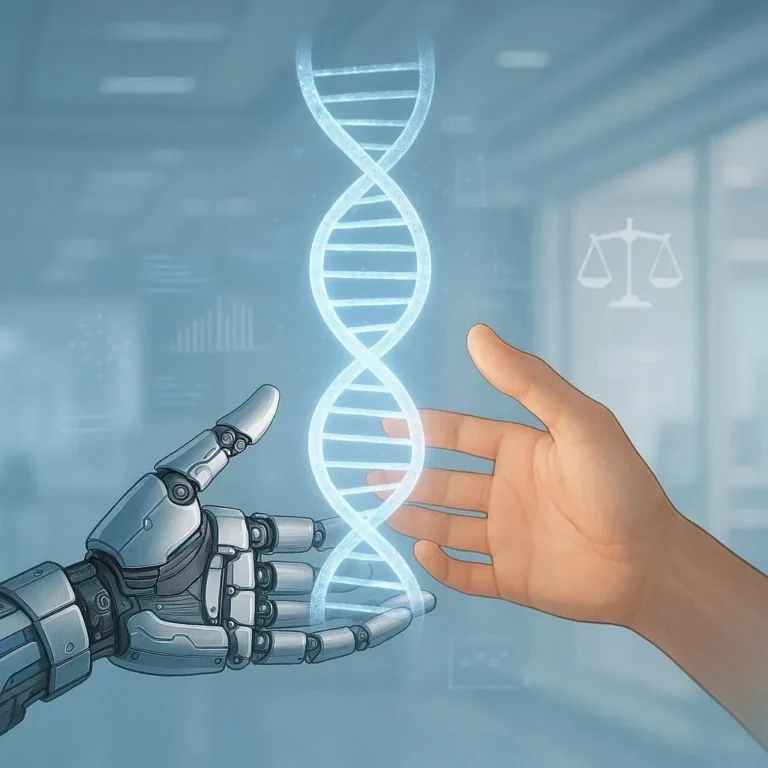
Looking ahead, AI is poised to evolve into a partner that co‑creates code, designs architecture, and makes predictive decisions. Emerging technologies like multimodal AI and federated learning will enable deeper integration across tools, boosting security and compliance. However, ethical considerations—such as bias in model training and transparency in automated decisions—will shape the next wave of AI adoption (NIST Security Standards). Organizations that establish robust governance frameworks will reap the greatest benefits.
Ready to transform your development lifecycle with AI? Sign up today for our free webinar, “AI‑Powered SDLC: From Code to Cloud,” and discover how to accelerate delivery while enhancing quality. Join experts from leading tech firms, get real‑world case studies, and receive a complimentary AI implementation toolkit.
Frequently Asked Questions
Q1. How does AI improve the requirements engineering phase?
Natural language processing clarifies user stories, detects ambiguity, and maps them to industry standards, increasing traceability and reducing scope creep. This automation speeds up paperwork and lets stakeholders focus on business logic. By integrating semantic search, teams can quickly find prior similar requirements, ensuring consistency. The result is more reliable deliverables and fewer costly reworks.
Q2. What role does AI play in code generation and refactoring?
Generative models like GPT‑4 translate natural language prompts into functioning code snippets, while AI‑driven static analysis spots bugs and security flaws before they reach production. IDE plugins provide instant auto‑completion and boilerplate generation, cutting down manual typing by almost half. Automated refactoring tools evaluate code against modern patterns, propose clean‑ups, and ensure backward compatibility. Developers can then focus on design, architecture, and testing.
Q3. How does AI enhance testing processes?
Machine learning models autonomously generate comprehensive test suites based on code changes, identifying edge cases that traditional test scripts might miss. Reinforcement learning agents explore user interfaces to uncover hidden bugs, delivering confidence scores for each test. Continuous integration pipelines become smarter when AI predicts failure hotspots and suggests targeted regression tests. The outcome is faster release cycles and higher product reliability.
Q4. What are the implications for developer roles with widespread AI adoption?
Automation liberates developers from repetitive coding tasks, allowing them to devote more time to architecture, UX, and strategic decisions. Teams evolve into multidisciplinary squads where AI specialists collaborate with data scientists and engineers, aligning with Agile principles. Employee satisfaction rises as developers tackle more meaningful and creative work. Organizations see accelerated time‑to‑market as cross‑functional collaboration improves communication.
Q5. What future trends should organizations watch when integrating AI into their SDLC?
Emerging multimodal AI will couple code, natural language, and visual design to deliver end‑to‑end solutions, while federated learning enhances security by keeping data local. Ethical concerns around bias and transparency will dictate governance frameworks and regulations. Companies adopting rigorous monitoring and explainable AI will avoid deployment headaches. Overall, AI will act more like a partnership, co‑authoring code and making data‑driven decisions.
Related Articles

100+ Science Experiments for Kids
Activities to Learn Physics, Chemistry and Biology at Home
Buy now on Amazon
Advanced AI for Kids
Learn Artificial Intelligence, Machine Learning, Robotics, and Future Technology in a Simple Way...Explore Science with Fun Activities.
Buy Now on Amazon
Easy Math for Kids
Fun and Simple Ways to Learn Numbers, Addition, Subtraction, Multiplication and Division for Ages 6-10 years.
Buy Now on Amazon