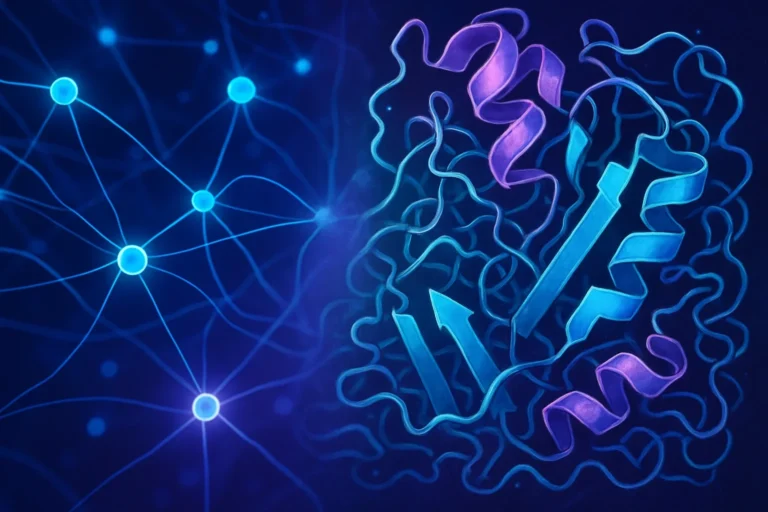
Innovations In Bioinformatics Personalized Medicine
Bioinformatics has emerged as a cornerstone of personalized medicine, turning the vast seas of genetic data into actionable insights for clinicians and patients alike. By harnessing algorithms, statistical models, and high‑throughput sequencing technologies, bioinformatics enables the precise tailoring of diagnostics, therapeutics, and preventive strategies to an individual’s unique molecular profile. As the field continues to evolve, the integration of artificial intelligence and real‑time data analytics promises to redefine the boundaries of healthcare, making personalized medicine more accessible, accurate, and effective than ever before.
Bioinformatics and Genomic Data Integration for Precision Therapy
One of the most transformative innovations in bioinformatics for personalized medicine is the seamless integration of genomic data with electronic health records (EHR). By merging whole‑genome or exome sequencing results with clinical phenotypes, researchers can identify pathogenic variants that underlie a patient’s disease and match them to the most effective treatments. This holistic approach is no longer confined to research labs; it is being deployed in clinical settings worldwide. For instance, the National Center for Biotechnology Information (NCBI) hosts vast genomic repositories that clinicians can query in real time to make therapeutic decisions. In oncology, genomic profiling panels can predict response to targeted therapies such as PARP inhibitors or immune checkpoint blockade, allowing physicians to avoid trial‑and‑error drug regimens.
Beyond cancer, pharmacogenomics—the study of how genetic variation influences drug metabolism—relies heavily on bioinformatics pipelines that annotate single‑nucleotide polymorphisms (SNPs) within key metabolic genes like CYP2D6 or CYP2C19. These annotations inform dosage adjustments, mitigating adverse drug reactions and maximizing efficacy. The continued refinement of variant calling algorithms and annotation databases, such as ClinVar, enhances the confidence in actionable genotype‑phenotype correlations, reinforcing bioinformatics as an indispensable tool for personalized therapeutics.
Real‑Time Health Monitoring with Bioinformatics Analytics
Wearable devices and implantable sensors generate continuous streams of physiological data—heart rate variability, electrodermal response, and even bioluminescent markers of biochemical changes. Advanced bioinformatics models convert these raw signals into clinically relevant metrics, enabling real‑time health monitoring. Machine learning classifiers can detect arrhythmias, predict hypoglycemic events, and alert caregivers before complications arise. This predictive power is particularly salient for chronic disease management, where early intervention can dramatically alter disease trajectories.
Bioinformatics also powers the aggregation of multi‑omics data—transcriptomics, proteomics, metabolomics—into a single integrative framework. By applying network analysis and causal inference, researchers uncover pathways that link genetic predispositions to proteomic signatures in disease. These insights feed back into the real‑time models, creating iterative loops that continuously refine patient risk profiles. Regulators and institutions such as the National Institutes of Health (NIH) are actively funding initiatives that bridge real‑time monitoring with predictive genomics, underscoring the societal value of bioinformatics innovations.
Machine Learning Models and Bioinformatics Pipelines for Drug Discovery
Drug discovery traditionally faced prohibitive costs and long timelines. Bioinformatics, coupled with machine learning (ML), now streamlines this process by predicting compound–target interactions and screening virtual libraries at unprecedented speed. In silico docking followed by ML‑enhanced scoring functions identifies promising lead compounds with higher hit rates. Recent breakthroughs include using deep learning to generate novel molecules that bind to rare or difficult targets, such as those involved in neurodegenerative disorders.
- Deep learning generative models design new chemical entities rapidly.
- Graph neural networks predict protein–ligand binding energy accurately.
- Automated workflows like those in the European Bioinformatics Institute (EBI) integrate data curation, annotation, and ML training.
- Integration of Bioinformatics knowledge graphs accelerates hypothesis generation.
- Open‑source platforms democratize access to powerful computational pipelines.
The synergy between bioinformatics and machine learning reduces the average time from target identification to clinical trial readiness from decades to a few years in some cases. This acceleration not only benefits pharmaceutical companies but also patients who receive novel therapies sooner.
Ethical and Regulatory Considerations in Bioinformatics‑Driven Personalized Medicine
As bioinformatics becomes integral to personalized healthcare, ethical vigilance is paramount. The sheer volume and sensitivity of genomic data necessitate stringent privacy safeguards. Regulations such as the GDPR in Europe and the HIPAA framework in the United States govern data security, de‑identification, and patient consent. Institutions must implement robust access controls and audit trails to prevent unauthorized data use.
Informed consent processes must evolve to address the unique challenges of genomic data sharing. Patients should understand that bioinformatics analyses may reveal incidental findings—genetic predispositions to diseases unrelated to the current clinical context. Policies for returning such findings to patients vary, with professional bodies like the American College of Medical Genetics and Genomics (ACMG) providing guidelines. Transparency in algorithms—ensuring that machine learning models are interpretable and bias‑free—is another ethical requirement. Responsible AI frameworks demand that bioinformatics developers disclose training data composition and potential confounders to prevent inequitable health outcomes.
Future Directions and the Role of Bioinformatics
Looking ahead, the integration of spatial transcriptomics, long‑read sequencing, and single‑cell proteomics will further refine personalized treatment plans. Bioinformatics algorithms capable of cross‑species analysis will improve translational research, bridging preclinical findings to human application. Additionally, blockchain and secure multi‑party computation are being explored to facilitate shared genomic analyses while preserving privacy—a promising frontier for collaboration across institutions.
The convergence of quantum computing with bioinformatics holds the potential to solve previously intractable problems, such as protein folding and complex drug‑target interaction simulations. While still nascent, these technologies signal a transformative leap for precision medicine, propelling bioinformatics from a supportive role to a driver of discovery.
Ready to embrace the future of medicine? By integrating cutting‑edge bioinformatics tools into clinical practice, you can unlock personalized treatment options that deliver better outcomes. Contact our team today to explore how bioinformatics can shape your healthcare strategy and bring the promise of precision medicine to life. Let’s build a healthier tomorrow, one genome at a time.
Frequently Asked Questions
Q1. What is personalized medicine and how does bioinformatics enable it?
Personalized medicine tailors diagnosis and treatment to an individual’s unique genetic profile. Bioinformatics analyzes vast genomic datasets to identify pathogenic variants and match them to the most effective therapies. This integration reduces trial‑and‑error treatments and improves patient outcomes. By translating raw sequencing data into actionable insights, clinicians can deliver precise care on a personal level. The result is a more efficient, targeted healthcare system.
Q2. How are genomic data integrated into electronic health records (EHR) for clinical use?
Genomic data are embedded into EHRs as structured annotations linked to patient identifiers. Clinical pipelines annotate variants using databases like ClinVar and flag actionable findings. In real time, clinicians can query these annotations to inform drug choice or dosage adjustments. Integration platforms such as those offered by NCBI and EBI enable seamless data flow between sequencing labs and hospitals. This holistic view leads to state‑of‑the‑art treatment decisions rooted in genetics.
Q3. What role do AI and machine learning play in drug discovery?
AI accelerates drug discovery by predicting compound‑target interactions and prioritizing leads from virtual libraries. Deep‑learning generative models design novel molecules with desirable properties, while graph neural networks assess binding affinity accurately. Automated workflows at institutions like EBI combine data curation with ML training, shortening development cycles. By significantly cutting time and cost, AI ensures that promising therapeutics reach clinical trials faster. This synergy brings new treatments to patients sooner and at lower expense.
Q4. How does real‑time health monitoring use bioinformatics analytics?
Wearable devices stream continuous physiological data that bioinformatics models transform into risk metrics. Machine learning classifiers detect events such as arrhythmias or hypoglycemia before they become symptomatic. Multi‑omics integration refines these models, enabling predictive health scoring for chronic disease management. Alert systems notify caregivers, improving early intervention. The iterative feedback loop of monitoring and modeling continually optimizes patient risk profiles.
Q5. What are the key ethical and regulatory considerations in this field?
Privacy safeguards, such as GDPR and HIPAA, protect sensitive genomic data. Informed consent must cover incidental findings and data sharing scopes. Transparency in algorithms is essential; models should be interpretable and free from bias. Institutions must implement rigorous access controls and audit trails to prevent unauthorized use. Responsible AI frameworks require disclosure of training data and potential confounders, ensuring equitable healthcare outcomes.
Related Articles

100+ Science Experiments for Kids
Activities to Learn Physics, Chemistry and Biology at Home
Buy now on Amazon
Advanced AI for Kids
Learn Artificial Intelligence, Machine Learning, Robotics, and Future Technology in a Simple Way...Explore Science with Fun Activities.
Buy Now on Amazon
Easy Math for Kids
Fun and Simple Ways to Learn Numbers, Addition, Subtraction, Multiplication and Division for Ages 6-10 years.
Buy Now on Amazon