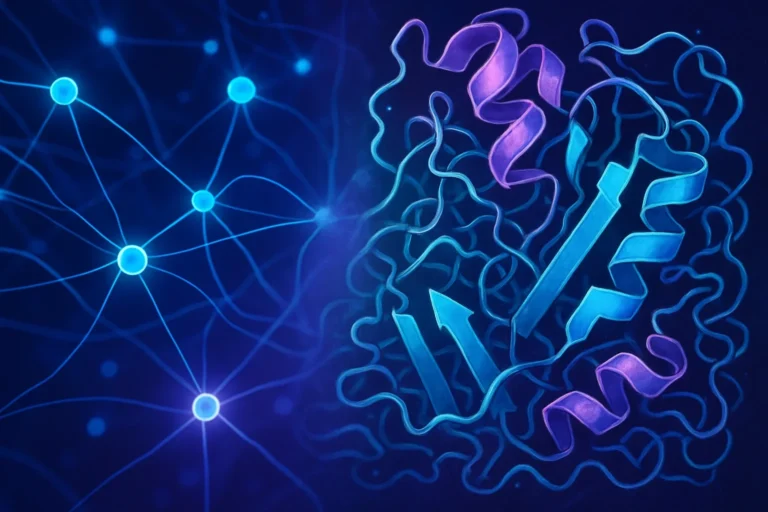
Emerging Biomarker Discovery Trends
In the rapidly evolving landscape of medical research, biomarker discovery has become a keystone for precision medicine, offering clinicians the ability to diagnose, predict, and monitor disease with unprecedented accuracy. From liquid biopsies that detect circulating tumor DNA to novel single‑cell sequencing panels, emerging technologies are reshaping how biomarkers are identified, validated, and applied in clinical settings. This article delves into the most influential trends currently defining the field and explores how they promise to accelerate therapeutic targeting, improve patient outcomes, and streamline drug development.
Omics‑Driven Platforms Fuel Wider Biomarker Portfolios
High‑throughput omics technologies—including genomics, transcriptomics, proteomics, and metabolomics—are generating vast molecular datasets that transcend traditional biomarker discovery scopes. Integrative multi‑omics pipelines, often powered by machine learning, can uncover composite signatures that outperform single‑parameter markers. For example, the Human Proteome Project (HPP) has mapped over 90% of the human proteome, providing a foundational resource for proteomic biomarker research. These extensive datasets enable stratification of patient subtypes, identification of resistance pathways, and dynamic monitoring of therapeutic response, especially in oncology and neurodegenerative diseases.
Liquid Biopsy: A Non‑Invasive Hallmark for Real‑Time Monitoring
The concept of a ‘liquid biopsy’—sampling biomarkers from blood, urine, or cerebrospinal fluid—has shifted the paradigm from tissue biopsies to serial, minimally invasive sampling. By measuring circulating tumor DNA (ctDNA), exosomes, or soluble proteins, clinicians can track tumor evolution, detect minimal residual disease, and predict relapse before clinical symptoms arise. Recent FDA approvals, such as Roche’s Cellvizio® panel, showcase how regulatory pathways now accommodate these technologies. The surge in commercial kits combined with algorithmic platforms for ctDNA variant calling (e.g., Guardant Health’s Guardant360) underscores the feasibility of integrating liquid biopsy markers into routine oncology workflows.
Single‑Cell Analysis Breaks Down Tumor Heterogeneity
Traditional bulk sequencing often masks the diversity of cell populations within a tumor microenvironment. Single‑cell RNA sequencing (scRNA‑seq) overcomes this limitation by profiling individual cells, revealing unique transcriptional states, immune cell infiltration, and drug‑resistant subclones. Pioneering consortia like the Single‑Cell Sequencing Alliance collaborate to standardize data pipelines and share reference atlases. In breast cancer, scRNA‑seq has identified a novel subset of ductal cells exhibiting stem‑cell‑like traits that correlate with aggressive metastasis, offering a new biomarker candidate for patient stratification and targeted therapy.
Artificial Intelligence Enhances Biomarker Validation Pipelines
- Predictive modeling of protein–protein interactions to shortlist promising targets.
- Automated image analysis for histopathological biomarker assessment.
- Clinical decision support tools that integrate multi‑omic signatures with patient demographics.
Artificial intelligence (AI) is not merely a data cruncher; it accelerates the entire biomarker development cycle. By modeling complex biological networks, AI can predict which molecular changes are most frequently associated with disease progression. In a recent study by the NIH’s National Institutes of Health, a deep‑learning algorithm accurately forecasted cancer recurrence using combined imaging and genomic data with 88% sensitivity—a benchmark that surpasses conventional statistical approaches. Such AI‑driven insights are pivotal for early regulatory approval and for embedding biomarkers into standard-of-care diagnostics.
Standardization and Community‑Driven Resources Accelerate Adoption
One of the greatest hurdles in biomarker research is reproducibility. The establishment of shared databases, such as NCBI PubMed Central and the European Bioinformatics Institute, provides open access to assay protocols, validation metrics, and reference spectra. Moreover, initiatives like the European Biomarker Alliance advocate for harmonized sample handling, assay platforms, and quality control standards, thereby reducing inter‑laboratory variability. Adoption of standard operating procedures (SOPs) and transparent data sharing accelerate the transition from discovery to clinical implementation.
Conclusion: Biomarker Discovery Is Entering an Era of Precision, Speed, and Collaboration
Emerging trends—omics‑driven platforms, liquid biopsies, single‑cell analytics, AI‑augmented pipelines, and community standardization—are reshaping biomarker discovery into a faster, more precise, and collaborative endeavor. By embracing these innovations, researchers and clinicians can uncover clinically actionable signatures that enhance early diagnosis, tailor treatments, and monitor disease trajectories in real time. The future of precision medicine hinges on our ability to translate molecular insights into reliable, validated biomarkers and to seamlessly integrate them into patient care.
Take the next step: connect with our biomarker discovery services today and transform your research pipeline into actionable medical breakthroughs.

100+ Science Experiments for Kids
Activities to Learn Physics, Chemistry and Biology at Home
Buy now on Amazon
Advanced AI for Kids
Learn Artificial Intelligence, Machine Learning, Robotics, and Future Technology in a Simple Way...Explore Science with Fun Activities.
Buy Now on Amazon
Easy Math for Kids
Fun and Simple Ways to Learn Numbers, Addition, Subtraction, Multiplication and Division for Ages 6-10 years.
Buy Now on Amazon