Biohybrid Systems Medical Advances
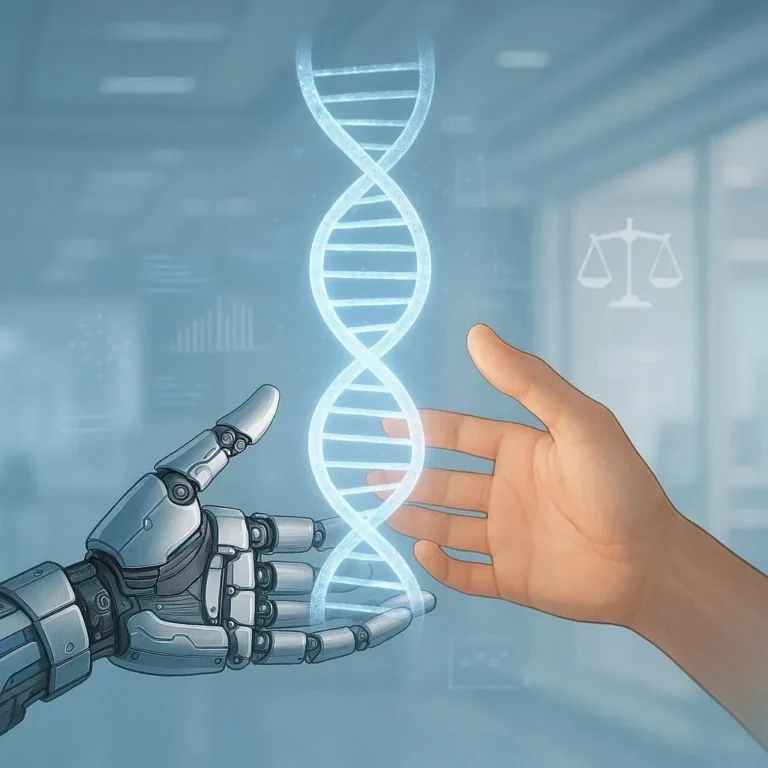
Biohybrid Systems have emerged as a transformative convergence between living biological tissues and engineered materials, creating hybrid platforms that mimic native organ functions and offer unprecedented therapeutic potential. By fusing cells with biologically compatible scaffolds, researchers can develop bioartificial organs, implantable sensors, and responsive actuators that interact seamlessly with the human body. This growing field promises to overcome limitations of traditional prosthetics and regenerative medicine, ushering in a new era of personalized healthcare solutions. The term “Biohybrid Systems” itself has become synonymous with breakthroughs in tissue engineering, synthetic biology, and nanotechnology, and its importance is steadily rising across biomedical research, clinical trials, and commercial development.
Integration of Biological and Synthetic Components
At the core of Biohybrid Systems lies the strategic integration of two distinct yet complementary realms: the dynamic, self-repairing capabilities of living cells, and the precise, programmable characteristics of synthetic materials. This synergy enables the creation of hybrid constructs that harness the regenerative power of cells while leveraging the durability and functional versatility of engineered polymers, hydrogels, and metallic nanostructures. For example, conductive hydrogels infused with cardiomyocytes can regenerate damaged myocardium while providing electrical pacing cues, bridging both biological signals and mechanical function.
One landmark application is the development of “bioartificial hearts” that use bioprinted cardiac tissues combined with microfluidic scaffolds to create beating chambers capable of sustaining blood flow. In a recent study, researchers utilized a biohybrid tissue–pinning system described in a Nature Review, demonstrating that the synergy between engineered matrix components and cardiomyocyte alignment can achieve near-native contractility. Such systems illustrate the broad potential of Biohybrid Systems to emulate complex organ mechanics while retaining the self‑repair nature of living tissue.
Biohybrid Sensors and Diagnostics
Another rapidly evolving niche is the deployment of biohybrid sensors that couple enzymatic or receptor‑based biological elements with nanostructured transducers for real‑time monitoring of physiological parameters. A notable instance is a glucose‑sensing cardiac patch that utilizes glucose‑oxidase enzymes anchored on a graphene substrate; the resulting biohybrid device translates biochemical glucose fluctuations into electrical readouts that inform insulin delivery strategies.
These hybrid diagnostics are particularly valuable in intensive care settings, where continuous, minimally invasive monitoring of biomarkers can dramatically improve patient outcomes. The use of biocompatible polymers such as poly(ethylene glycol) (PEG) hydrogels ensures stable interactions with body fluids while maintaining sensor sensitivity. According to a comprehensive overview by the NIH Overview, such platforms hold promise for next‑generation point‑of‑care devices, especially for chronically ill populations requiring tight metabolic control.
Actuation and Mechanical Assistance
Beyond sensing, Biohybrid Systems can serve as actuators—biological components that produce force or motion when driven by engineered stimuli. Muscle‑mimetic actuators composed of engineered skeletal muscle cells incorporated into elastomeric lattices have already been shown to produce measurable contractions under electrical stimulation. These actuators can be employed to fabricate soft robotic prosthetics that respond intuitively to neural inputs, thereby restoring natural limb movements.
The intersection of synthetic biology—where engineers rewire cellular circuits—and nanotechnology—where high‑precision nanofibers reinforce tissue integrity—gives rise to actuators that emulate both the elasticity of natural muscle and the robustness required for external wear. This is exemplified in a study highlighted in PubMed Central Study, showcasing a compliant, sensor‑driven biohybrid gripper that can manipulate delicate surgical instruments in minimally invasive procedures.
Organ‑on‑a‑Chip and Disease Modeling
Perhaps one of the most impactful therapeutic implications of Biohybrid Systems is their use in organ‑on‑a‑chip platforms that simulate human physiology at microscale. By combining endothelial cells with microfluidic channels fabricated from polydimethylsiloxane (PDMS), these chips replicate blood‑brain barrier properties, providing high‑fidelity models for drug testing. These hybrid biosystems are calibrated using the latest insights into nanomaterial permeability and can interface with patient‑specific iPSC derivatives, allowing for personalized pharmacodynamics studies.
Such organ equivalents have accelerated the discovery of novel therapeutics by reducing the reliance on animal testing while offering scalable, standardized platforms for high‑throughput screening. The adoption of these biohybrid chips already aligns with the FDA’s efforts to validate predictive in‑silico and in‑organ models, as documented in CDC Resources. The integration of patient‑derived cells further enhances the ethical footprint, supporting the eco‑friendly mandate of modern research.
Regulatory Landscape and Ethical Considerations
- Regulatory approvals (FDA, EMA) for first‑generation bioartificial organs are contingent on demonstrating safety, biocompatibility, and long‑term functionality.
- Ethical frameworks require transparent reporting on genetic modifications within synthetic constructs and clear patient consent procedures.
- Manufacturing standards must ensure reproducible bio‑fabrication, reducing batch‑to‑batch variability inherent in biological components.
Stakeholders should collaborate across disciplines to establish robust quality controls. Biohybrid Systems research must adhere to the Principles of Reproducibility and Responsible Innovation, as outlined in the Biohybrid Wikipedia entry. By integrating safeguards early in development, regulators can expedite approval pathways while maintaining public trust.
Future Directions and Clinical Translation
The horizon for Biohybrid Systems extends beyond organ replacement. Seamless interfaces between the nervous system and biohybrid actuators are poised to restore motor functions in spinal cord injury patients. Moreover, biohybrid vaccines employing engineered probiotic strains as delivery vehicles can modulate mucosal immunity, offering a novel strategy against infectious diseases.
Researchers continue to refine scaffold architectures using 3D bioprinting techniques, enabling precise spatial control over cell–material interactions. Emerging materials such as silk fibroin and decellularized extracellular matrix provide natural cues that enhance cell differentiation while remaining biodegradable. Coupled with CRISPR‑based genome editing, these platforms create a generation of dynamic, self‑optimal biohybrid therapies that adjust to patient‑specific conditions over time.
Strong Call to Action
Whether you are a clinician seeking cutting‑edge solutions, a researcher exploring interdisciplinary collaborations, or a patient eager for transformative treatments, Biohybrid Systems represent the frontier of personalized medicine. Engage with leading institutions—such as the NIH and CDC—to stay informed about the latest breakthroughs and regulatory updates. Join our community today and help shape the next generation of medical innovation with Biohybrid Systems. Contact us to learn more about research partnerships, clinical trial opportunities, and funding resources.
Frequently Asked Questions
Q1. What are biohybrid systems and how do they differ from traditional synthetic devices?
Biohybrid systems fuse living cells with engineered materials, weaving together the self‑repair abilities of biology and the precision of synthetic design. Unlike rigid prosthetics, these hybrids can grow, adapt, and integrate with native tissues, offering bio‑functional interfaces that respond dynamically to physiological cues. The result is a platform that can both sense and actuate while maintaining compatibility with the human immune system.
Q2. Which clinical applications are already being pursued with biohybrid technology?
Current research focuses on organ‑on‑chip disease models, bioartificial hearts that generate contraction and blood flow, and implantable sensor‑patches for continuous biomarker monitoring. Biohybrid actuators—like muscle‑mimetic patches—are being tested in soft‑robotic prostheses that directly respond to nerve signals. Early‑stage clinical trials are exploring vascularized organ models for drug testing as well as biohybrid skins that provide both sensory feedback and mechanical support.
Q3. How do biohybrid sensors improve patient monitoring?
Engineered biosensors incorporate biological receptors (e.g., glucose oxidase) onto nanostructured transducers. The resulting devices convert biochemical changes into electrical signals, enabling real‑time, minimally invasive readouts. Such systems can continuously track glucose levels, inflammatory markers, or cardiac enzymes in critical care settings, allowing for proactive treatment adjustments.
Q4. What regulatory hurdles must biohybrid devices face before market entry?
Regulators, including FDA and EMA, require evidence of safety, biocompatibility, and long‑term functionality. Manufacturing controls must address variability inherent to biological components, while ethical review boards scrutinize genetic manipulations. Early engagement with regulatory agencies and transparent reporting of clinical outcomes can accelerate approval pathways.
Q5. What future innovations are anticipated in the biohybrid field?
Future directions include nerve‑controlled bioactuators that restore motor function after spinal injury, probiotic vaccines that leverage engineered bacteria for mucosal immunity, and CRISPR‑enhanced biohybrid constructs that self‑optimize in vivo. Advancements in 3‑D bioprinting and biodegradable scaffolds promise personalized therapies that evolve with the patient over time.
Related Articles

100+ Science Experiments for Kids
Activities to Learn Physics, Chemistry and Biology at Home
Buy now on Amazon
Advanced AI for Kids
Learn Artificial Intelligence, Machine Learning, Robotics, and Future Technology in a Simple Way...Explore Science with Fun Activities.
Buy Now on Amazon
Easy Math for Kids
Fun and Simple Ways to Learn Numbers, Addition, Subtraction, Multiplication and Division for Ages 6-10 years.
Buy Now on Amazon