AI-Assisted Drug Repurposing Revolution
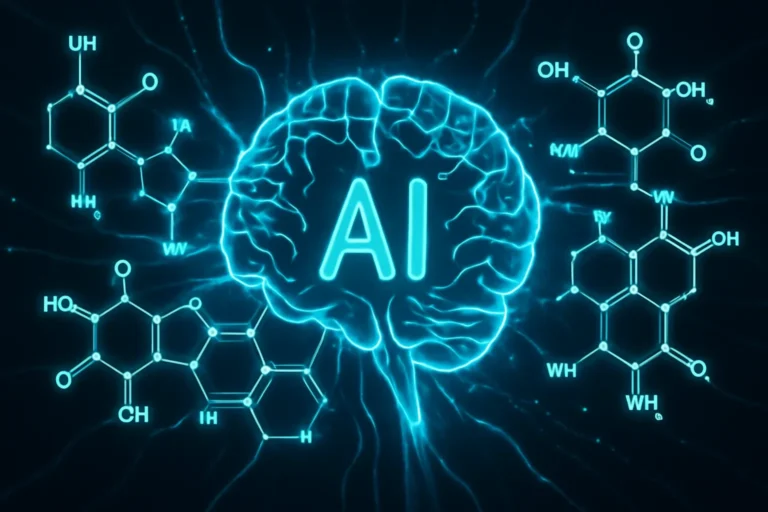
Artificial intelligence (AI)-assisted drug repurposing has quickly risen to the forefront of modern pharmaceutical innovation, offering a way to accelerate the creation of new therapies. By reapplying approved drugs to treat new conditions, researchers can bypass the lengthy and costly phases of original drug development.
Leveraging AI in Drug Repurposing
At its core, AI-assists scientists by sifting through vast chemical databases, predicting molecular interactions, and identifying drugs that could modulate disease pathways previously unlinked to their known targets. This process reduces early discovery time from years to months, allowing medicinal chemists to focus on the most promising candidates. Drug repurposing exemplifies how existing pharmacology can be reevaluated through machine learning (ML) models, turning old drugs into breakthrough solutions for emerging health crises.
Data Sources Empowering AI Models
Modern AI models thrive on data variety and scale. Key data repositories include:
- Gene Expression Omnibus (GEO) – Provides transcriptomic profiles that highlight disease-specific gene deregulation.
- The Cancer Genome Atlas (TCGA) – Offers genomic alterations across multiple tumor types.
- DrugBank – Consolidates chemical structure, pharmacology, and target information for thousands of drugs.
- ChEMBL – Supplies bioactivity data linking compounds to protein targets.
Integrating these sources allows AI algorithms to generate accurate predictions about drug‑target affinity, toxicity, and efficacy across multiple disease contexts.
Machine Learning Techniques in Action
From supervised learning to deep generative networks, AI’s versatile toolkit is reshaping pharmacology. Two emblematic examples illustrate the power of these techniques:
- Graph Neural Networks (GNNs) – Model molecular structures as graphs to predict interaction strength with specific protein pockets.
- Transformer Models – Analyze natural language literature to uncover hidden associations between drug mechanisms and disease phenotypes.
These approaches surface candidate drugs for diseases like oncology, rare genetic disorders, and even viral infections. For instance, ML models highlighted the repurposing potential of the anti‑migraine drug, rizatriptan, as a therapeutic for certain types of lung cancer due to shared signaling pathways.
Clinical Integration and Regulatory Pathways
Once AI identifies a plausible repurposing opportunity, bridging the gap to clinical practice involves aligning with regulatory frameworks. The Food and Drug Administration (FDA) issues guidance that supports accelerated approval for repurposed drugs, particularly when prior safety data exist. FDA regulatory guidance underscores the importance of robust pre‑clinical proof of efficacy, which AI can expedite by simulating trial outcomes.
Clinical trial design also benefits from AI-driven patient stratification, ensuring the selection of subgroups most likely to respond. This precision medicine approach not only heightens therapeutic success rates but also reduces trial costs. The United States National Institutes of Health (NIH) actively funds AI‑driven drug repurposing projects to foster such innovations. NIH funding opportunities reflect the growing recognition of AI’s transformative impact.
Impact on Therapeutic Speed and Cost
Traditional drug discovery may require 10–15 years and upwards of $2–3 billion in R&D. In contrast, AI-assisted drug repurposing can compress this timeline to 3–5 years and cut costs by 40–60%. These savings arise from leveraging existing pharmacokinetic and safety data, minimizing the need for expensive early‑stage assays. Additionally, AI’s predictive power reduces the dropout rate in later trial phases, which historically accounts for high financial risk.
Beyond speed and savings, AI infusion enhances the breadth of therapeutic discovery. By applying machine learning models to global disease datasets, researchers can identify off‑label uses for drugs that were previously unclassified. This opens new avenues for treating neglected diseases—conditions that traditionally received limited market incentive.
Future Outlook: AI as a Standard in Drug Development
Experts predict that AI will become integral at every stage of drug development. Integrated platforms will monitor real‑time data from electronic health records, wearables, and clinical trial databases to refine predictions continuously. Collaborative initiatives such as the CDC’s OpenData portal and open-source modeling frameworks are already fostering transparency and reproducibility in AI-driven research.
Organizations that adopt AI-assisted drug repurposing early gain a competitive edge. By staying ahead of the regulatory curve, they can bring life‑saving therapies to market faster, addressing unmet patient needs and setting new industry standards.
Conclusion and Call to Action
Are you ready to harness the transformative power of AI for faster therapeutics? Connect with our expert team to accelerate your drug repurposing strategy today.
Frequently Asked Questions
Q1. What is AI-assisted drug repurposing?
It is the use of artificial intelligence to identify existing drugs that could treat new diseases, accelerating therapy development and reducing costs.
Q2. How does AI reduce the time and cost of drug development?
By predicting drug‑target interactions and simulating clinical outcomes, AI cuts early‑stage experimentation, speeds up clinical trial design, and lowers financial risk.
Q3. What data sources support AI models in this field?
Reputable repositories such as GEO, TCGA, DrugBank, and ChEMBL supply genomic, transcriptomic, chemical, and bioactivity data necessary for accurate predictions.
Q4. Which machine‑learning techniques are commonly used?
Graph neural networks model molecular structures as graphs, while transformer models analyze literature to uncover hidden drug‑disease associations.
Q5. What regulatory support exists for repurposed drugs identified by AI?
The FDA offers accelerated approval pathways for drugs with established safety data, and AI can help generate robust pre‑clinical evidence to meet these standards.
Related Articles
- AI-Driven Drug Repurposing: Opportunities for Accelerated Therapeutic Development
- Artificial Intelligence in Drug Repurposing: A Pathway to Faster Treatment
- FDA Guidance on Artificial Intelligence and Machine Learning in Regulatory Review
- AI Drug Repurposing Accelerating Therapeutic Development
- CDC Open Data Toolkit

100+ Science Experiments for Kids
Activities to Learn Physics, Chemistry and Biology at Home
Buy now on Amazon
Advanced AI for Kids
Learn Artificial Intelligence, Machine Learning, Robotics, and Future Technology in a Simple Way...Explore Science with Fun Activities.
Buy Now on Amazon
Easy Math for Kids
Fun and Simple Ways to Learn Numbers, Addition, Subtraction, Multiplication and Division for Ages 6-10 years.
Buy Now on Amazon