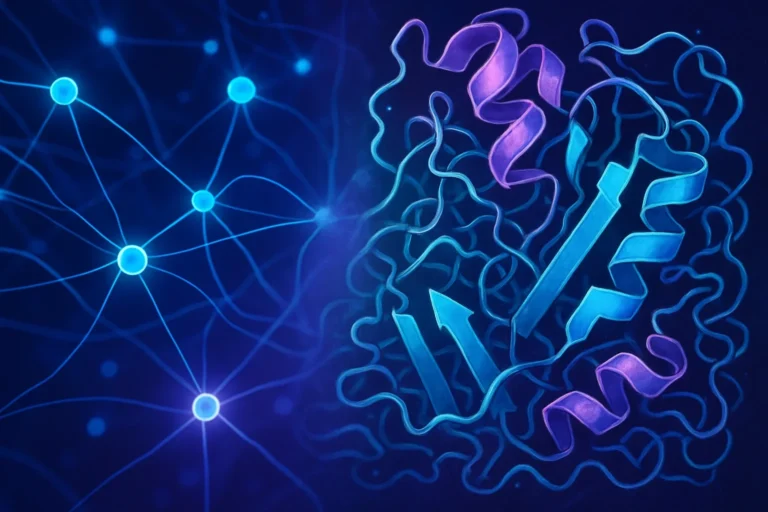
CRISPR Base Editing Explained
CRISPR Base Editing has become a cornerstone of modern genome engineering, offering a precise, efficient, and relatively straightforward method to introduce targeted single-nucleotide changes without inducing double-strand breaks. By leveraging engineered DNA‑binding proteins fused to deaminase enzymes, these tools convert one base pair into another while keeping the DNA backbone intact. This technology sits beside its newer cousin, Prime Editing, which expands the editing repertoire by enabling multi‑base changes and insertions with a single engineered protein complex. Together, these methods represent the next generation of CRISPR‑based therapeutics and research tools.
What Is CRISPR Base Editing?
Base editors consist of two core components: a catalytically impaired Cas9 (commonly an “nCas9” that cuts only one DNA strand) and a deaminase enzyme that chemically modifies a target nucleotide. The most common types—cytosine‑to‑thymine (C→T) and adenine‑to‑guanine (A→G)—carry out the following steps:
- nCas9 is directed to the target locus by a guide RNA (gRNA).
- The deaminase converts C to uracil (U), which is read as T during replication.
- In the case of A base editors, the deaminase turns A into inosine (I); DNA polymerases recognize I as G.
- Cell repair pathways resolve the deaminated bases, completing the C→T or A→G transition.
Because the editing occurs without a double‑strand break, off‑target indels are dramatically reduced, making base editing safer for therapeutic applications. CRISPR has revolutionized genetics, and these refined variants are now used to correct pathogenic mutations such as the Sickle Cell Disease mutation in the β‑globin gene.
Mechanism and Tools of Base Editing
CRISPR Base Editing relies on a precise combination of molecular engineering:
- engineered Cas9 variants (nCas9 nickase or dCas9) that minimize DNA damage;
- base‑specific deaminases (e.g., APOBEC for cytosine, TadA for adenine);
- guide RNAs that position the complex within a 4–6 base window for optimal activity;
- beta‑targeting mismatch repair factors that help bias the repair toward desired outcomes.
The choice of Cas9 variant and deaminase can be tuned to reduce off‑target edits. Researchers have created “high‑fidelity” variants such as HF‑Cas9 and evolved deaminases with broader editing windows, enabling precise tuning for a wide array of disease‑causing mutations. NRCM Editorial on Base Editing offers a detailed review of these advances.
Prime Editing: A Step Beyond Traditional Base Editors
Prime Editing, introduced in 2019, extends the CRISPR toolbox by integrating a reverse transcriptase (RT) enzyme into a fused Cas9 nickase. Instead of deaminases, Prime Editors rely on a specially designed “prime editing guide RNA” (pegRNA) that carries both a spacer sequence and a reverse‑transcription template. The edited DNA strand is synthesized directly by RT, supplying any desired change:
- Insertions or deletions (indels) up to several dozen base pairs;
- Complex base conversions beyond simple transitions;
- Correcting large pathogenic deletions.
Because the editing window is programmable and the method avoids a DSB, Prime Editing can theoretically correct all 12 possible point mutations and many larger variations, propelling it to the forefront of genome‑editing research.
Clinical Applications and Ethical Considerations
Both base and prime editors are entering clinical trials, especially for monogenic disorders. For instance, a clinical study using cytosine base editors is evaluating correction of a mutation in the hypoxanthine‑guanine phosphoribosyltransferase (HPRT) gene, a model for human ornithine‑transcarbamylase deficiency. MIT and UMD laboratories collaborate on translating these tools to patients with cystic fibrosis and beta‑thalassemia.
However, ethical questions arise regarding germline editing, long‑term safety, and equitable access. Regulatory agencies such as the FDA and EMA are developing guidelines that emphasize rigorous off‑target analysis and thorough pre‑clinical validation. Public engagement is key; informed consent processes should address the potential for off‑target edits that could introduce new genetic disorders.
Future Directions and the Path Forward
Looking ahead, researchers are optimizing:
- Smaller delivery vectors (e.g., AAV or nanoparticle formats) to facilitate in‑vivo administration;
- All‑in‑one plasmids that simplify transfection;
- Temporal control over editing activity with inducible systems;
- Chromatin‑state sensitivity to ensure high efficiency across cell types.
Parallel discoveries in DNA‑repair pathway manipulation may further increase precision and reduce immunogenicity. The convergence of CRISPR Base Editing, Prime Editing, and emerging delivery technologies promises to turn the promise of personalized gene therapy into a clinical reality. Stanford University and the NIH play pivotal roles in funding and coordinating these efforts.
Conclusion: Harnessing Precision for the Future
CRISPR Base Editing and Prime Editing represent a quantum leap over earlier gene‑editing concepts. By making single‑nucleotide changes without causing double‑strand breaks, these technologies minimize unwanted mutations and broaden the spectrum of therapeutically relevant edits. As the science matures—driven by biochemistry, system biology, and ethical governance—patients with inherited disorders may soon benefit from record‑low‑risk, highly precise treatments.
Ready to explore how CRISPR Base Editing can transform your research or clinical practice? Contact us today for a consult on the latest base‑editing platforms, or download our whitepaper on Prime Editing breakthroughs.
Frequently Asked Questions
Q1. What exactly is CRISPR Base Editing?
CRISPR Base Editing is a genome‑editing technology that converts one DNA base pair into another without creating a double‑strand break. It uses a catalytically impaired Cas9 fused to a deaminase enzyme to chemically modify a target nucleotide. The change is then set in the DNA via normal repair pathways, resulting in a precise single‑nucleotide substitution. This approach avoids many of the unwanted insertions or deletions that can arise from traditional CRISPR editing. It is often used to correct disease‑causing point mutations in a controlled manner.
Q2. How does base editing differ from traditional CRISPR‑Cas9?
Traditional CRISPR‑Cas9 uses a nuclease to cut both DNA strands, generating a double‑strand break that the cell repairs with error‑prone mechanisms. Base editors, by contrast, nick only one strand and chemically alter the base, so no break occurs and the cell’s normal repair machinery propagates the desired change. This reduces off‑target insertions/deletions and makes the process safer and more predictable. The result is a higher editing precision and lower risk of unintended genomic damage.
Q3. What are the main types of base editors?
There are two primary classes: cytosine‑to‑thymine (C→T) editors that use a cytidine deaminase (e.g., APOBEC), and adenine‑to‑guanine (A→G) editors that employ an engineered adenine deaminase (e.g., TadA). Each class has variants optimized for activity, fidelity, and window size. Scientists can choose the appropriate editor based on the target mutation and the required specificity. Some newer designs include dual‑base editors that can handle multiple transition types in the same context.
Q4. Are there any clinical trials using base editors?
Yes, several early‑phase trials are underway. For example, a trial targeting the HLCS gene used a cytosine base editor to correct a mutation in patients with hypoxanthine‑guanine phosphoribosyltransferase deficiency. Researchers at MIT and UMD are also evaluating base editors for diseases such as cystic fibrosis and beta‑thalassemia. These studies emphasize rigorous safety testing, including off‑target analysis and long‑term safety assessment. Commercial partnerships are forming to move these therapies into larger clinical studies.
Q5. What are the main safety and ethical concerns?
Safety issues center on potential off‑target edits that could introduce new mutations or affect gene regulation. Researchers employ high‑fidelity Cas9 variants and improved deaminases to mitigate this risk. Ethical debates focus on germline editing, equity in access to therapies, and informed consent when off‑target risks are uncertain. Regulatory agencies like the FDA and EMA are developing guidelines that require comprehensive pre‑clinical validation before approval. Public engagement is crucial to align scientific progress with societal values.
Related Articles

100+ Science Experiments for Kids
Activities to Learn Physics, Chemistry and Biology at Home
Buy now on Amazon
Advanced AI for Kids
Learn Artificial Intelligence, Machine Learning, Robotics, and Future Technology in a Simple Way...Explore Science with Fun Activities.
Buy Now on Amazon
Easy Math for Kids
Fun and Simple Ways to Learn Numbers, Addition, Subtraction, Multiplication and Division for Ages 6-10 years.
Buy Now on Amazon